Buenos Aires did not reveal itself through one landmark. It arrived in sections: the civic scale of Plaza de Mayo, the Obelisk and Teatro Colón; the quieter concentration of books, museums and Recoleta; then markets, waterfront buildings, football streets and the green edge of Palermo.
The city is easier to understand by moving between these worlds than by chasing one signature monument. Plaza de Mayo explains the political centre. Avenida 9 de Julio shows what modern Buenos Aires did to its own scale. Recoleta turns towards museums, monuments and the city’s grander cultural institutions, while San Telmo keeps older streets, market life and tango history close to the surface. Puerto Madero rewrites the waterfront. La Boca joins port history to football. Palermo finally gives the city room to loosen into parks and longer walks.
This is a discovery guide rather than a day-by-day itinerary. The recommendations come from the places that shaped a first visit during the September–October 2026 stay, expanded with the historical and cultural context that makes each stop worth choosing. The traveller does not need to complete every district to understand the argument. The useful question is which change of character deserves the next part of the day.
Choose your Buenos Aires
With one day, stay central: Plaza de Mayo, the Obelisk, Teatro Colón and El Ateneo make a coherent introduction, with Recoleta added only if time remains. With three days, give one day to the civic and cultural centre, one to Recoleta and Palermo, and one to San Telmo, Puerto Madero and La Boca. With five nights, slow the museum choices down and leave room for a separate Colonia del Sacramento day trip.
Buenos Aires is large enough that the order matters. A day built around nearby institutions feels different from one built around neighbourhood movement. Thefive-day Buenos Aires itinerarysupplies the full chronology; the Buenos Aires neighbourhoods guideis the better companion when the decision is where to spend a slower day.
Start with Plaza de Mayo and the historic centre
Where political Buenos Aires is easiest to read
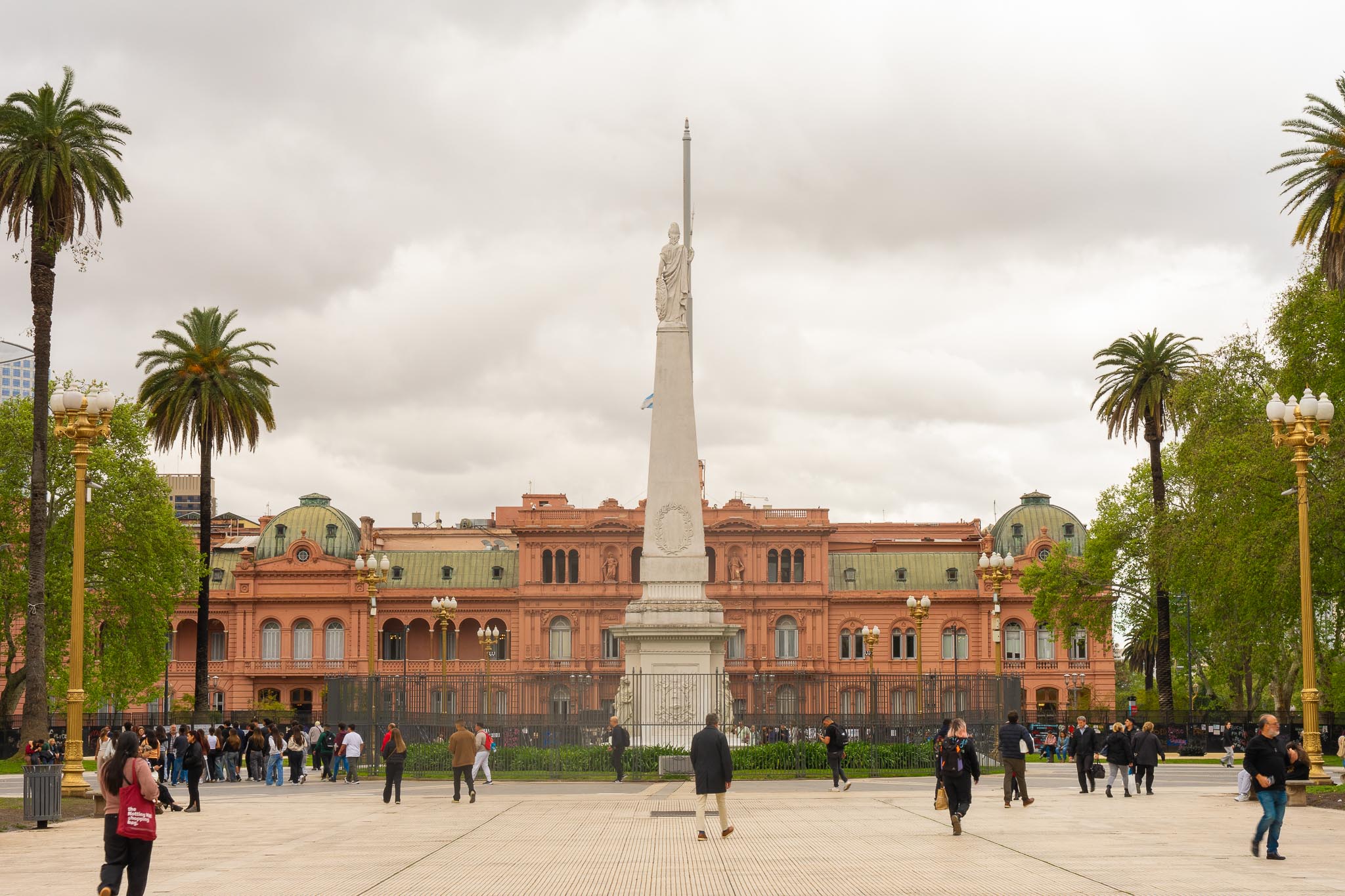
Plaza de Mayo is the right first stop because it is not simply a square surrounded by attractive buildings. It is the oldest public square in Buenos Aires and the place where the city’s political life has repeatedly made itself visible. Its name recalls the May Revolution of 1810, the beginning of the independence process, while the buildings around it hold several earlier layers of the city.
The Casa Rosada occupies the site of the old Buenos Aires fort and remains the seat of the national government. Across the square, the Metropolitan Cathedral carries the religious history of the centre, and the Cabildo keeps the colonial civic world within the same view. The Pirámide de Mayo, raised in 1811 and later moved to its present position, gives the open space a physical memory of the revolution rather than leaving that history inside a museum.
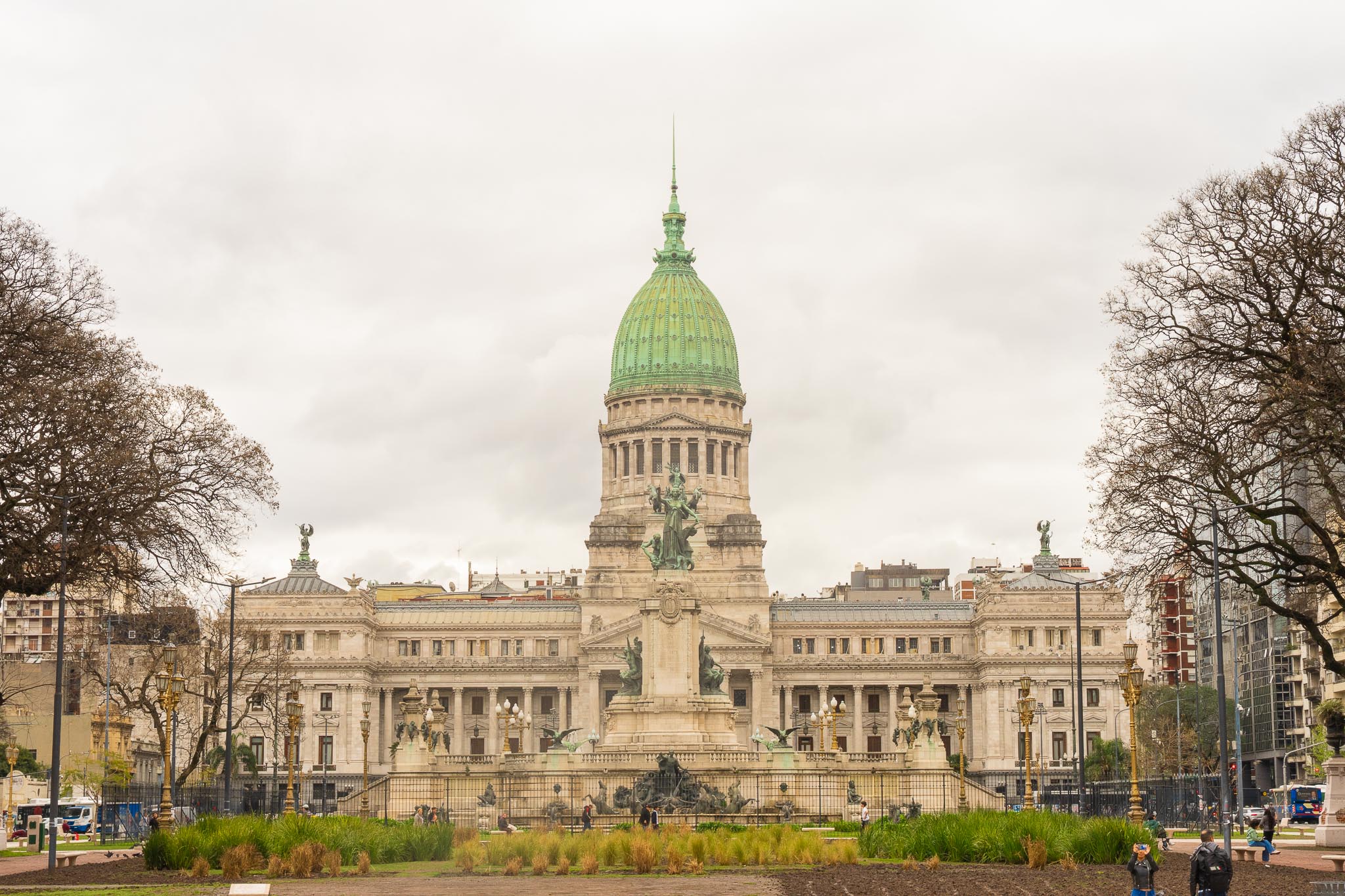
From here, Avenida de Mayo leads towards the Plaza del Congreso and the more monumental civic architecture of the capital. The Manzana de las Luces adds a different register: institutions of learning and religion gathered within the old centre’s dense blocks. The focused Plaza de Mayo guideis worth reading alongside this wider list because the square rewards attention to its political continuities, not just a photograph of the pink palace.
See the Obelisk and Avenida 9 de Julio
A modern city marker rather than a stop that needs a whole afternoon
The Obelisk is not a destination so much as a punctuation mark in the middle of Buenos Aires. It stands where Avenida Corrientes meets Avenida 9 de Julio, the broad avenue named for the date of Argentina’s declaration of independence. The monument was designed by Alberto Prebisch and inaugurated in 1936 to mark the fourth centenary of the city’s first foundation.
Its importance is urban. The Obelisk makes the scale of the modern capital visible, while the theatre, towers, traffic and side streets around it keep the monument from becoming an isolated object. The original controversy around its modern form has long given way to recognition: this is now one of the city’s defining markers. Stop for the view, then keep moving towards Teatro Colón, Palacio Barolo, Galerías Pacífico or the cultural institutions around Avenida de Mayo.
Make time for Teatro Colón
The city’s grandest cultural institution in the central route
Teatro Colón gives the central day an interior scale. The current building opened in 1908, and its history belongs to the period when Buenos Aires was building the cultural institutions of a capital that wanted to be taken seriously on an international stage. Its architecture draws the visitor inward through the foyer, staircases, sculpture and decorated rooms before the auditorium makes the full argument for grandeur.
The theatre’s importance is not only architectural. It remains a working opera, ballet and concert institution, with an artistic training programme and an active relationship to Argentine cultural life. A guided visit is the practical way to understand the building when there is no performance that fits the stay; a ticket for the programme makes it something more than a beautiful shell. Check the theatre’s official visitor arrangements before going, since tours and performances follow their own schedules.
Step inside El Ateneo Grand Splendid
A bookstore that still behaves architecturally like a theatre
El Ateneo Grand Splendid changes the central route without abandoning its cultural theme. The building began as the Teatro Grand Splendid, and its theatre shell still governs the experience: balconies frame the room, the former stage becomes a place to sit with a book, and the decorative details survive beneath the language of a modern bookstore.
That is why it deserves more than a quick photograph. Buenos Aires has a serious relationship with books, newspapers, cafés and public argument, and El Ateneo gives that literary culture an unusually legible building. It works naturally after Teatro Colón or Palacio Barolo, when the day has already moved from government to performance and can now turn towards reading.
Give Recoleta a cultural day
Cemetery, museums and the grander northern city
Recoleta is strongest when treated as a district rather than a cemetery with a few extras attached. Recoleta Cemetery is the famous centrepiece, but the surrounding cultural institutions explain why the area became one of Buenos Aires’ most concentrated addresses for art, memory and public life.
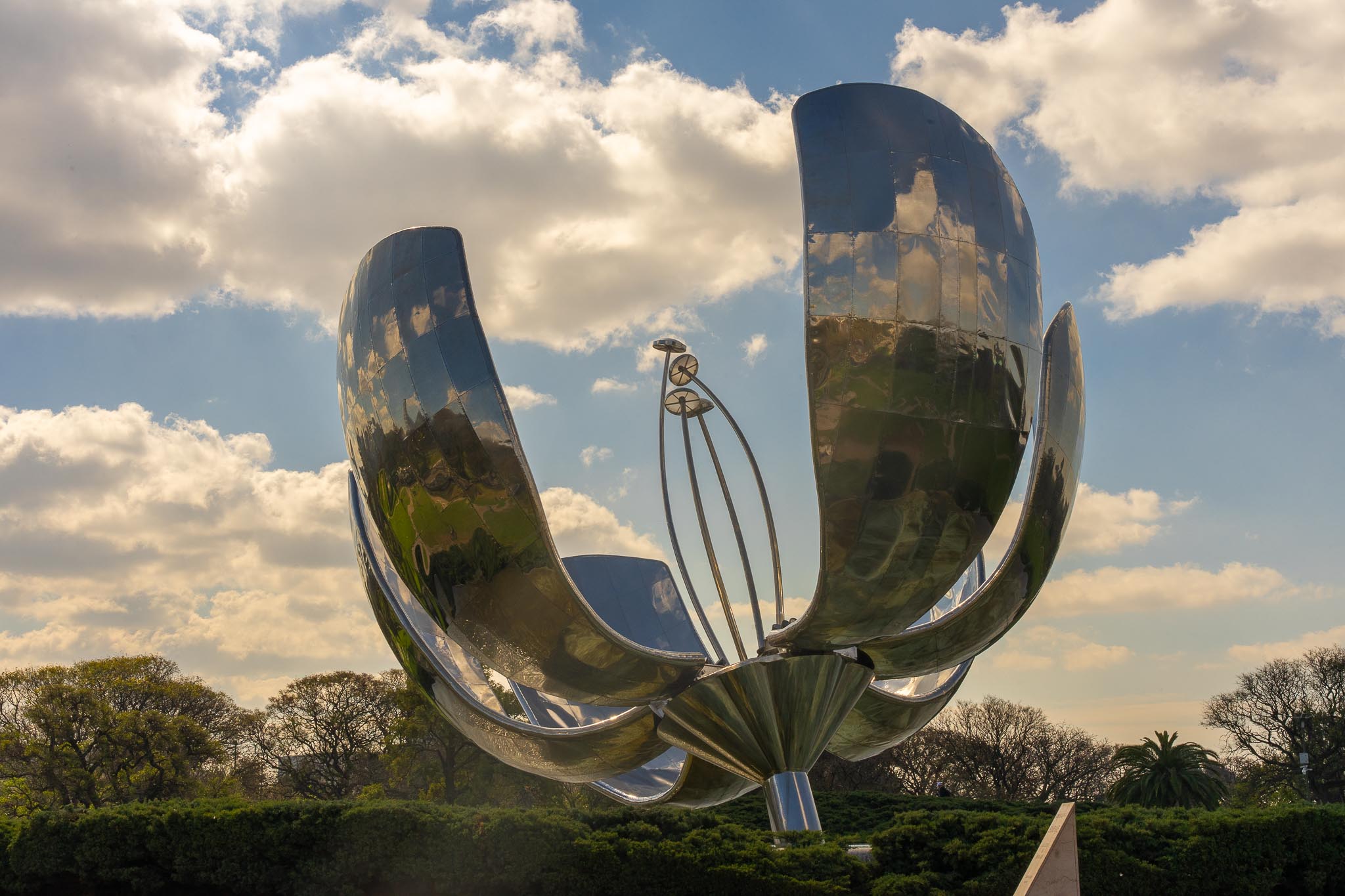
The Museo Nacional de Bellas Artes provides the broadest introduction to European and Argentine art. The Museo Nacional de Arte Decorativo narrows the focus to interiors, objects and the social world that produced them, while MALBA takes the route towards modern and contemporary Latin American art. Floralis Genérica gives the district a large piece of public sculpture and a more open park setting between the museum visits.
The cemetery belongs in the same cultural reading. Its mausoleums turn the history of Argentine public life into an urban landscape, but it does not need to be rushed through as a checklist of famous names. Choose the museums that genuinely interest you, then leave enough time for the district’s avenues and open spaces to make sense of the institutions.
Walk San Telmo’s market streets
Older urban fabric, market culture and the city’s tango inheritance
San Telmo works through street life and older urban fabric. It is one of Buenos Aires’ oldest neighbourhoods, and its low houses, cobbled streets, courtyards and antiques shops carry the history of the southern edge of the centre. The district changed sharply after the 1871 yellow-fever epidemic pushed many wealthy families north, leaving a different social and architectural life to develop among the old buildings.
Mercado de San Telmo is the practical starting point. Its iron structure, food stalls, cafés, antiques and everyday shopping make it more useful than a market treated only as scenery. From there, Defensa leads towards Plaza Dorrego, the neighbourhood’s central square and the setting for the Sunday antiques fair, while Museo Moderno gives the day an art institution rather than another street view.
San Telmo also belongs to the history of tango, even when the visit does not include a performance. The district’s bars, dance halls and older streets form part of the urban culture from which tango became one of Buenos Aires’ defining exports. A visitor can choose a formal show, look for a milonga or simply understand the neighbourhood as one of the places where that tradition remains attached to the city rather than presented as a separate theatre product.
See Puerto Madero rewrite the waterfront
Converted docks, contemporary towers and art beside the river
Puerto Madero is useful because it shows Buenos Aires changing its waterfront rather than preserving it unchanged. The former docklands have become a district of converted warehouses, footbridges, towers and open water, with the Puente de la Mujer providing its most recognisable piece of contemporary infrastructure.
The change is clearest after San Telmo. A short distance separates the market’s older fabric from a neighbourhood built around redevelopment, office buildings and the modern river edge. The Amalia Lacroze de Fortabat Art Collection adds a private art institution to the walk; the silos and waterfront buildings make the architecture itself part of the visit. Puerto Madero does not need to become a dining or nightlife guide. Its value is the contrast between inherited city and constructed city.
Follow La Boca from port to football
Immigrant history, Caminito, art and the home of Boca Juniors
La Boca carries Buenos Aires back towards the port. Its history is tied to immigrant workers, especially the Genoese communities that shaped the neighbourhood’s language, labour and built form. The painted corrugated façades around Caminito are the most recognisable expression of that history, but the district is larger than the postcard street.
The route through Caminito, Pasaje Garibaldi, the Puente Transbordador and Fundación Proa moves between popular art, industrial memory and the contemporary art world. La Bombonera adds the city’s football culture to the same geography. Boca Juniors is not merely a team with a stadium in the neighbourhood: the club’s identity is bound to La Boca, its colours and its working port history. The stadium stop belongs in a first visit even without a match. Match attendance should not be assumed, but the place of football in the neighbourhood cannot be separated from the visit.
Let Buenos Aires open out in Palermo
Parks, museums and the green exhale of the city
Palermo changes the city’s pace without leaving the city behind. The district has room for parks, gardens, wide avenues and the long walks that the denser centre does not offer. El Rosedal gives the green route its formal heart, while the Planetario Galileo Galilei supplies an architectural marker that feels entirely different from the civic monuments south of the centre.
Plaza Serrano and Palermo Soho bring a more commercial, contemporary side of the district, while Paseo de la Infanta runs through the park edge with a different relationship to the city. Palermo is not simply a place to add after the serious attractions are finished. It is where the guide’s argument about urban scale becomes visible: Buenos Aires can move from government, markets and football into gardens without becoming a different city.
Choose the museums that fit the day
A cultural network rather than a checklist
Buenos Aires has too many worthwhile museums for a useful guide to pretend that all of them belong on one list. Choose by interest and geography instead. Museo Nacional de Bellas Artes is the broadest choice for European and Argentine art, and fits naturally with Recoleta. MALBA is the stronger choice for Latin American modern and contemporary art. Museo Nacional de Arte Decorativo suits visitors more interested in interiors, objects and social history.
Museo Moderno belongs with San Telmo and the southern centre. The Fortabat collection works with Puerto Madero, while Palacio Libertad and Galerías Pacífico can be folded into a central architectural day when their cultural programmes or interiors appeal. The point is not to rank collections from a distance. It is to choose one or two museums that deepen the neighbourhood already underfoot.
Tango belongs in the Buenos Aires conversation
Tango should not disappear from a first-visit guide simply because the traveller did not attend a performance on this stay. It grew from the working-class districts and port culture of Buenos Aires and Montevideo, then became one of the city’s defining cultural forms. San Telmo and La Boca provide the historical geography; milongas and theatre shows provide two different ways to encounter it now.
A formal dinner-and-show suits a visitor who wants an arranged evening. A milonga is a better fit for someone interested in the social life of the dance. Neither should be described as a first-hand experience here. The useful advice is to choose the format deliberately rather than treating every tango venue as interchangeable.
Eat through the city’s Italian and Argentine inheritance
Food is another way Buenos Aires changes register. Parrillas connect the city to Argentine beef and the ritual of the shared grill. Empanadas belong to a wider national tradition, while pizza, fugazzeta, cafés, medialunas and helado show the depth of Italian influence in the capital’s everyday eating.
The best use of this guide is not to turn those categories into a restaurant ranking. Put a parrilla or pizzeria into a neighbourhood day, leave room for a café, and let the food follow the city rather than interrupting it. Buenos Aires is particularly good at making an ordinary meal feel like part of the urban argument: old port, immigrant kitchen, formal café, modern district.
Shortest route to a great first visit
What each part of the city does best
Watch-outs
What to prioritise
With one day: begin at Plaza de Mayo and walk towards the Obelisk, Teatro Colón and El Ateneo. If the museums matter more than the central interiors, replace one stop with Recoleta. Do not try to add La Boca or Palermo unless the day is unusually long; the city’s scale is part of what makes the choice meaningful.
With three days: give the first day to Plaza de Mayo, Avenida 9 de Julio, Teatro Colón and El Ateneo. Use the second for Recoleta and Palermo, choosing the museum that best fits the interest of the day. Use the third for San Telmo, Puerto Madero and La Boca, allowing the older market streets to lead into the converted docks and then the football-and-port identity of the south.
With five days: follow the complete five-day Buenos Aires itineraryfor the fuller chronology, but keep the hub’s freedom to slow down. The extra time is best spent on a second museum, a tango evening, a longer Palermo walk or a separate day trip to Colonia del Sacramento rather than on adding more landmarks to a single day.
With an extra day: Colonia del Sacramento
Colonia del Sacramento in Uruguay is one of the classic extensions from Buenos Aires. It is not another Buenos Aires neighbourhood and should remain a separate day-trip decision. Keep the old quarter, waterfront and practical crossing questions separate from the Buenos Aires visit, and check current ferry details before travel.
Buenos Aires in changing registers
Buenos Aires does not settle into one image. Plaza de Mayo gives way to a theatre, the theatre to a bookstore, Recoleta to museums and gardens, museums to San Telmo’s market streets, markets to converted docks, docks to football streets, and finally the city loosens into Palermo’s parks. Its pleasure lies not in finding the one monument that explains it, but in noticing how often it changes character without ceasing to be Buenos Aires.
For the longer stay, continue to the five-day Buenos Aires itinerary. For a slower comparison of the districts, use the Buenos Aires neighbourhoods guide.
But the road is ever onward.