Buenos Aires makes more sense barrio by barrio. The civic centre, Recoleta, San Telmo, Puerto Madero, La Boca and Palermo are not interchangeable versions of one city. Each brings a different relationship between buildings, public space and the days spent moving through them.
The historic centre gives a first visit its bearings. Recoleta gathers museums, a cemetery and broad formal spaces. San Telmo keeps the older southern streets close to markets and art. Puerto Madero rewrites the waterfront. La Boca brings together port history, immigration, art and football. Palermo, with its parks and cultural stops, is the broadest base for a longer stay.
For a wider list of experiences, continue to the best things to do in Buenos Aires guide. For the days arranged in travel order, use the five-day Buenos Aires itinerary. Together, they show how the choice of neighbourhood changes the shape of a Buenos Aires stay.
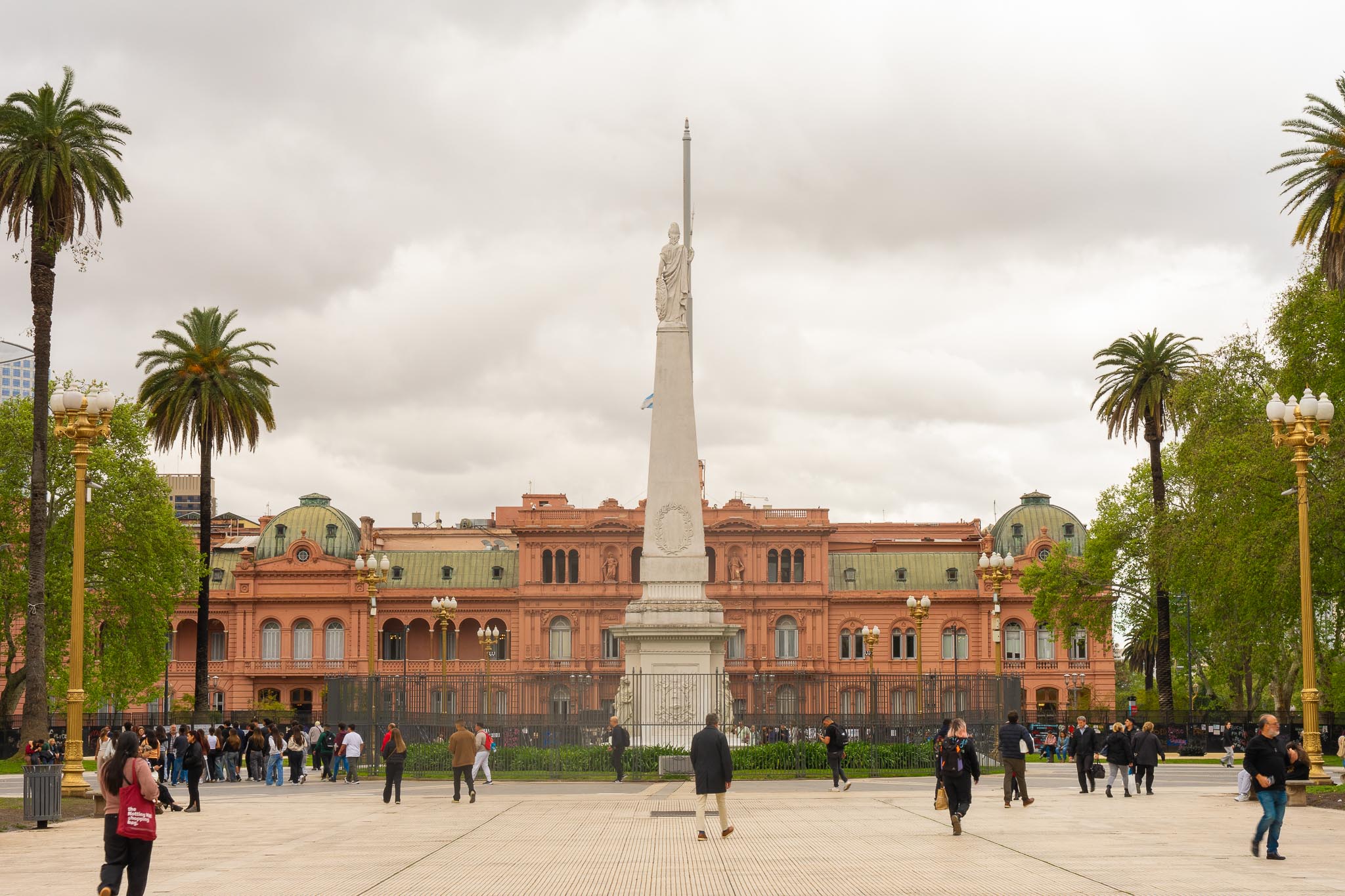
Historic Centre / Monserrat — Civic Buenos Aires
Plaza de Mayo is the place to begin because Buenos Aires has repeatedly gathered its public life around this square. The Casa Rosada stands on the site of the city’s old fort, while the Metropolitan Cathedral, the Cabildo and the Pirámide de Mayo face the same open ground from different historical positions. The square is not simply a collection of façades. It is where the city’s political and religious centre can be read in one frame.
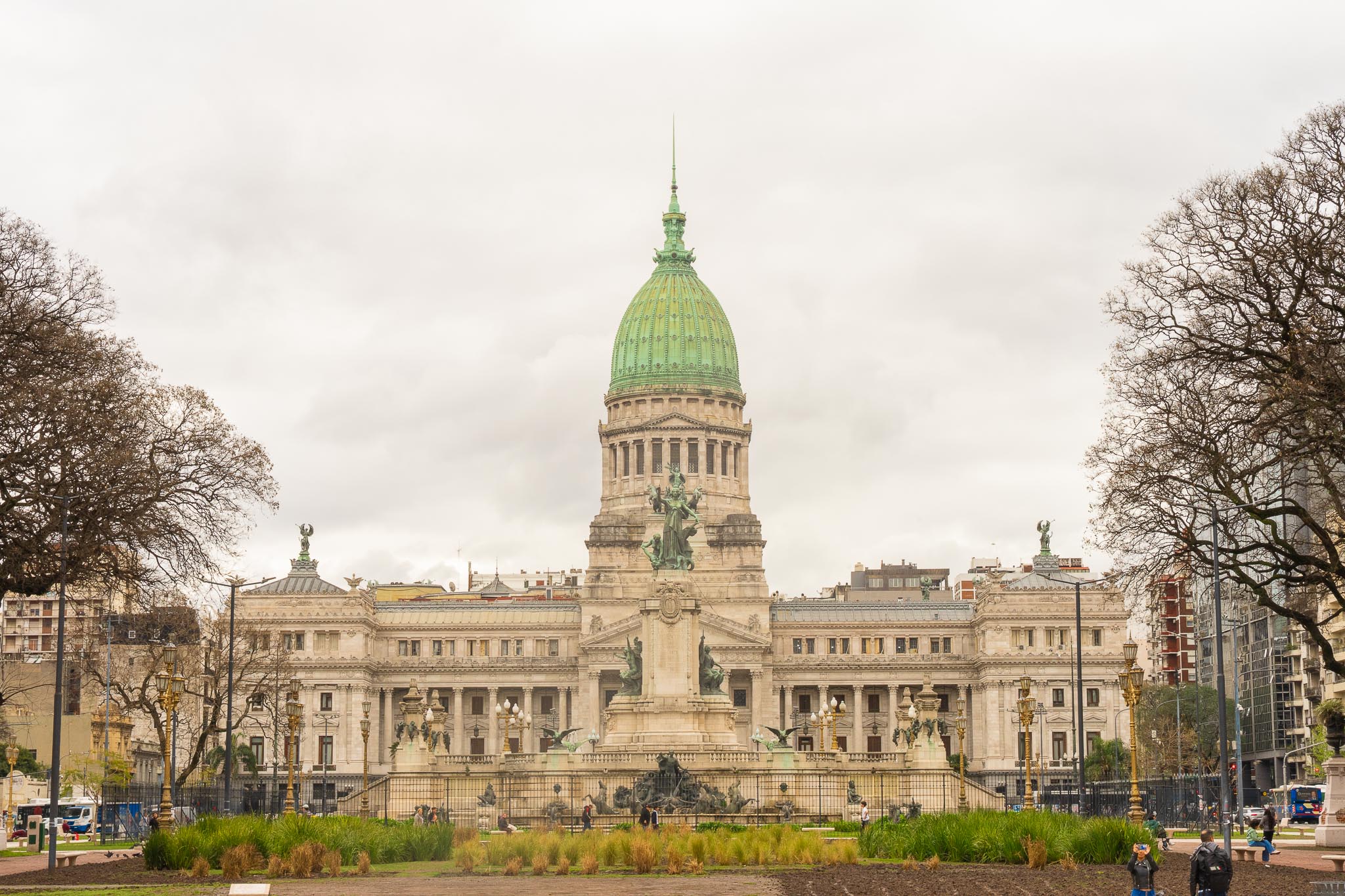
From there, the central streets lead towards the Manzana de las Luces, Avenida de Mayo, Plaza del Congreso and the Obelisk. The sequence moves between colonial foundations, republican institutions and the large avenues of the modern capital. Teatro Colón, El Ateneo and Palacio Barolo extend the day beyond the square, each offering a different version of the city’s cultural ambition.
This is the strongest area for a first orientation, especially when history and architecture matter more than a single neighbourhood atmosphere. Allow at least half a day for Plaza de Mayo and the surrounding streets. A full day can absorb the Congress area and one or two cultural interiors, but the centre works best when its distances are given time rather than treated as a checklist.
Recoleta — Museums, cemetery and the monumental north
Recoleta grew into one of Buenos Aires’s most formal northern districts as the city expanded and wealthy families moved away from the older centre. The cemetery became its defining historical landmark after the 1871 yellow-fever epidemic helped push elite development northwards. Today, the cemetery, museums and parks keep that history visible without reducing the neighbourhood to one attraction.
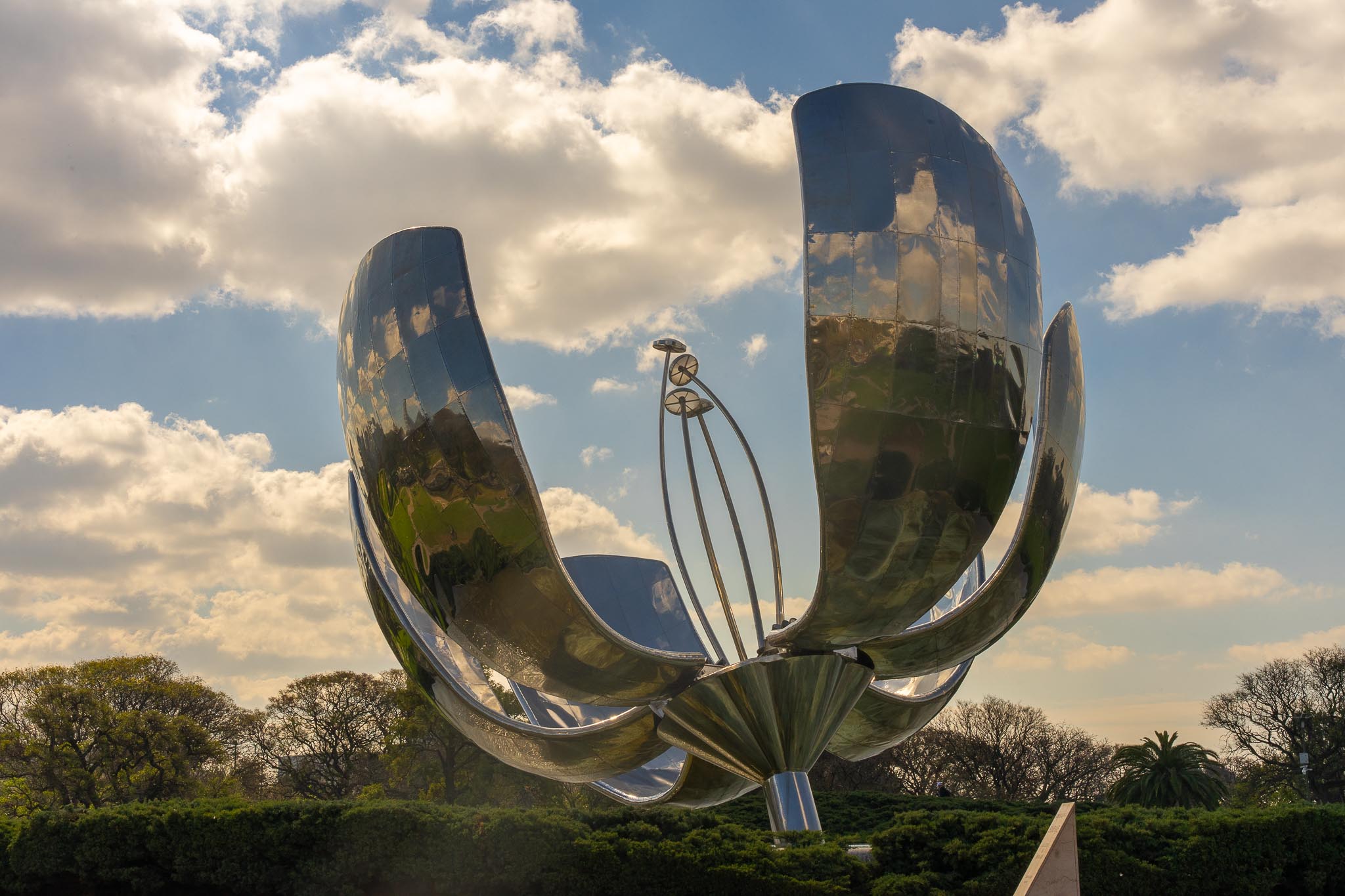
The day here can move from Recoleta Cemetery to Floralis Genérica, then towards the Museo Nacional de Arte Decorativo, the Museo Nacional de Bellas Artes and MALBA. These places belong together because they give the north of the city several scales at once: enclosed memorial architecture, a large public sculpture, formal collections and modern Latin American art. The intervening avenues and parks are part of the reading, not just the space between appointments.
Recoleta suits a slow cultural day. It is the best choice for a traveller who wants museums and architecture close together, and it pairs naturally with the historic centre when time is limited. The Buenos Aires itinerary places the district inside a longer central-city day, but it can also stand on its own when the museums are the priority.
San Telmo — Market streets and older urban fabric
San Telmo carries the older southern city into the present. Its connection to the port and its nineteenth-century streets made it a natural place for markets, workshops and public life, while later restoration turned parts of that fabric into one of the city’s most visited walks. The neighbourhood is strongest when the market and streets are considered together rather than separated into individual attractions.
Mercado San Telmo gives the day an indoor starting point. From there, Defensa leads towards Plaza Dorrego and the Sunday fair, with Museo Moderno adding a different cultural register nearby. San Telmo’s tango history is part of the district’s identity too, although a daytime walk does not need to become a performance itinerary to make sense of it.
Allow half a day for the market and the older streets, or longer if the fair and museum are both important. San Telmo pairs well with Puerto Madero because the two districts sit on different sides of the city’s relationship with the waterfront: one keeps the older streets and market life close, while the other turns towards docks, galleries and open river-edge space. It also combines naturally with La Boca when the day is built around the city’s southern history.
Puerto Madero — The rewritten waterfront
Puerto Madero began as a late-nineteenth-century dock project and later became one of Buenos Aires’s clearest urban redevelopments. The old warehouses and silos now sit beside towers, galleries and the Puente de la Mujer. That mixture is the point of the district: a working port edge has been given a new public and cultural life without losing every trace of its earlier form.
The Amalia Lacroze de Fortabat Art Collection and Faena Art Center make Puerto Madero more than a walk beside the water. The district works as a counterpoint to San Telmo, where the streets narrow into markets, antiques and older buildings. Here the spaces open out and the city’s recent ambitions are easier to see.
Puerto Madero suits a half day, particularly when combined with San Telmo. It is not necessary to treat it as either the city’s most authentic district or a place to dismiss as new. Its value is more precise: it shows Buenos Aires remaking its waterfront and placing cultural institutions inside that change. Costanera Sur can extend the walk if the day has room, but the central waterfront and galleries are enough for the neighbourhood itself.
La Boca — Port, immigration, art and football
La Boca grew around the southern port and the Genoese immigration that shaped its early working population. Caminito’s painted corrugated façades are the most recognisable expression of that history, but the district is larger than its colours. Pasaje Garibaldi, the Puente Transbordador, Fundación Proa and the streets around the stadium connect immigration, port labour, art and football in a compact visit.
The Estadio Alberto J. Armando, La Bombonera, is a stadium stop rather than a claim of match attendance. The visit can sit alongside Caminito and the port structures without inventing a football event that did not happen. Fundación Proa adds a contemporary art perspective, while the old industrial setting keeps the district tied to the river and the city’s southern edge.
La Boca is best treated as a focused daytime visit. Current travel advice recommends staying within the main tourist precinct, keeping belongings secure, avoiding empty streets after dark and arranging transport directly to and from the area. Check the latest official advice before travelling, particularly if demonstrations or major events affect the city. The practical caution does not cancel La Boca’s importance; it helps keep the visit within the part of the district that the city presents to visitors.
Palermo — Parks, cafés and the broadest base
Palermo offers the widest base for a longer Buenos Aires stay because the neighbourhood can hold several kinds of day without requiring a single defining monument. Palermo Soho and Plaza Serrano bring restaurants, cafés and evening streets into the picture. Palermo Hollywood extends that northern city world, while the Bosques de Palermo open into the parks, lakes and gardens around Parque Tres de Febrero.
The parks give Palermo its strongest physical shape. El Rosedal, the Planetario Galileo Galilei, the Japanese Garden and Paseo de la Infanta make a day that can move between gardens, cultural buildings and broad public space. The district is less about one fixed historical sequence than about the amount of room it gives a traveller to stay with one area for longer.
That makes Palermo the best all-round base for most first visits, especially when the stay lasts several nights. Recoleta is a better choice for museums and monumental architecture; San Telmo suits older streets and a market-led stay; the historic centre works for short visits built around civic landmarks; Puerto Madero suits a modern waterfront setting. La Boca is better treated as a visit than as a base, with the tourist precinct and transport arrangements planned in advance.
Which neighbourhood is best for a first visit?
Start in the historic centre if the main question is how Buenos Aires was built and governed. Add Recoleta for the cemetery, museums and formal northern avenues. Choose San Telmo when markets, older streets and tango history matter most. Puerto Madero is the clearest waterfront choice, La Boca the strongest for port history, art and football, and Palermo the easiest district in which to stay for several nights.
The best first visit usually combines the historic centre with Recoleta, then gives another day to San Telmo and Puerto Madero. With more time, Palermo’s parks and La Boca’s southern sequence add two different sides of the city rather than repeating the centre.
Which neighbourhood is best to stay in?
Palermo is the most flexible base, with parks, restaurants and straightforward access to the rest of the city. Recoleta works well for museums and architecture. San Telmo is the choice for older streets and a market-led stay. The historic centre is convenient for a short visit centred on Plaza de Mayo and the civic buildings. Puerto Madero suits a modern waterfront preference. La Boca is best visited during the day rather than used as the default base.
How many neighbourhoods should you visit in a day?
Plan around two substantial areas. A central day can cover Plaza de Mayo, the Congress district and the streets between them; a cultural day can combine Recoleta with Palermo; a southern day can join La Boca and San Telmo. Leave space for museums, markets and the walks between stops. The neighbourhood names matter less than the time allowed for each one to become distinct.
Buenos Aires resists being reduced to a centre. Plaza de Mayo gives the city its civic weight, Recoleta its monumental north, San Telmo its older streets, Puerto Madero its rewritten waterfront, La Boca its port-and-football identity, and Palermo the parks and evenings that hold the days together. The city becomes clearer each time the traveller crosses from one version of Buenos Aires into another.
But the road is ever onward.