Over four days, Santiago moves from government buildings to markets, from museums to parks, and then out towards older neighbourhoods and the hills. The city becomes clearer as those different parts sit beside one another.
The stay ran from 19 to 23 September 2026, for four nights in central Santiago, after arriving from La Paz. On 23 September, the bus left Terminal Sur at 10:00 am for Mendoza, arriving around 4:00 pm. Between those two journeys, the city unfolded through four different kinds of day.
For a shorter selection, see the best things to do in Santiago guide. The Santiago Viewpoints guide compares the elevated stops in more detail.
Day 1 — The Civic Centre
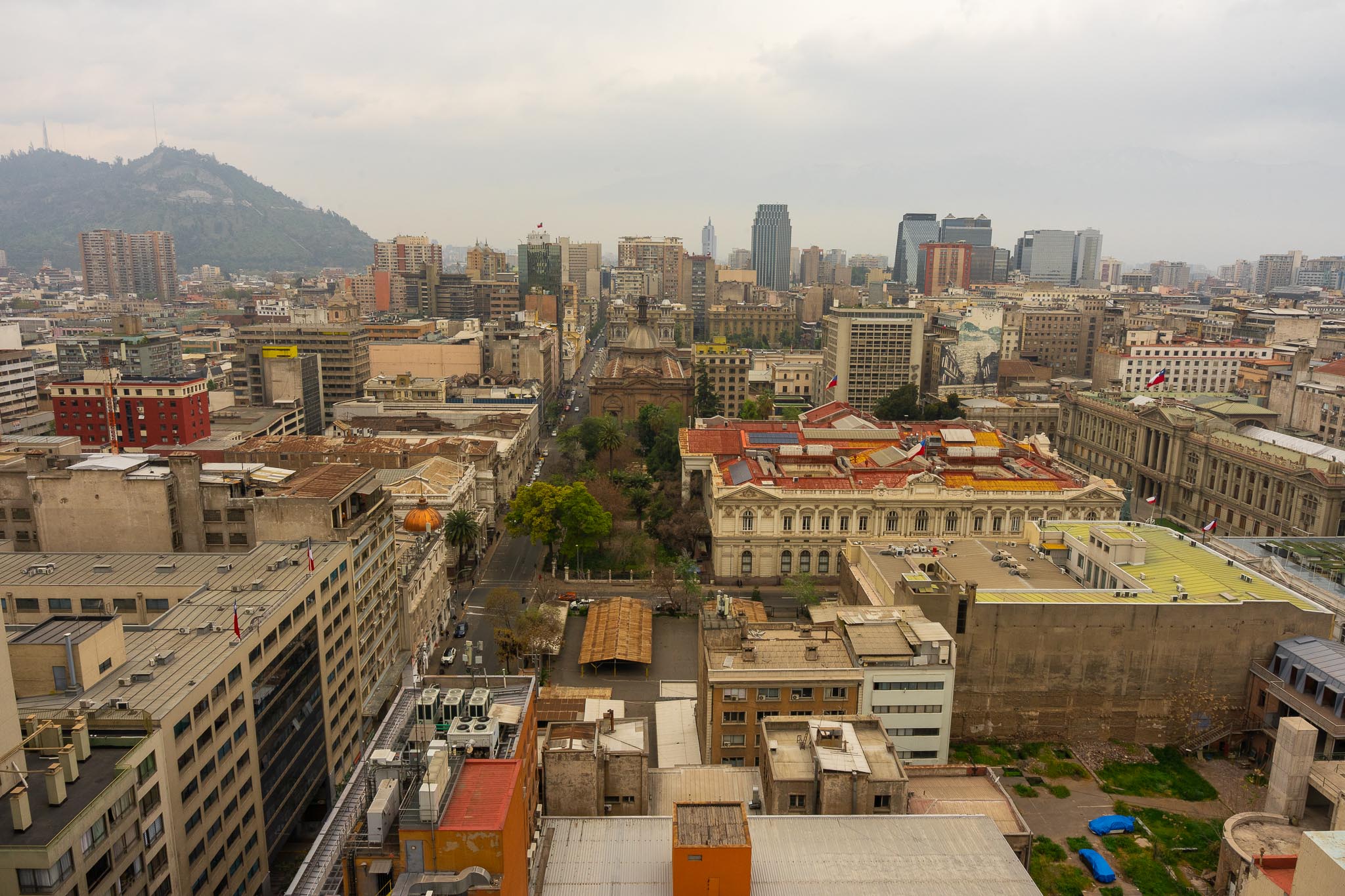
Arrival from La Paz on 19 September left the first day close to the centre. La Moneda Cultural Center, the Metropolitan Cathedral, Estación Mapocho and the streets between them establish Santiago’s public face through government, religion, public space and the city’s older transport edge.
The Metropolitan Cathedral belongs to the same central sequence as La Moneda. Its presence changes the scale of the streets around it: public buildings and broad civic spaces give way to a more concentrated interior landmark. From there, the movement towards Estación Mapocho opens the city back out towards the river and the market districts. Estación Mapocho keeps the centre connected to Santiago’s older transport and market life rather than allowing the day to end among civic façades.
The centre is worth taking as a sequence rather than a checklist. La Moneda and the Cathedral establish Santiago’s public face; Estación Mapocho brings the day towards the city’s working northern edge. Check current opening hours, access and fares before setting out.
Day 2 — Market, Museum and Park
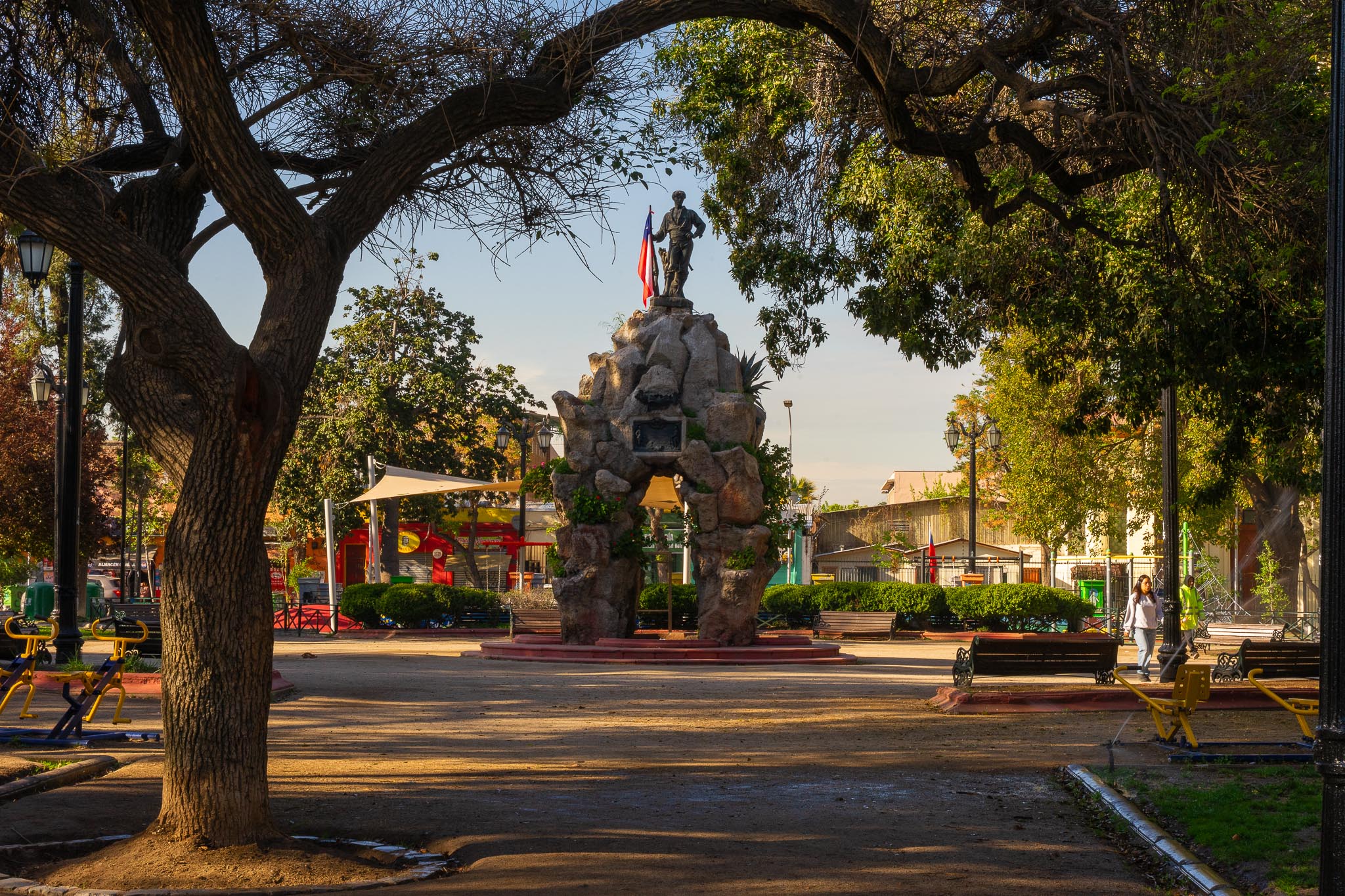
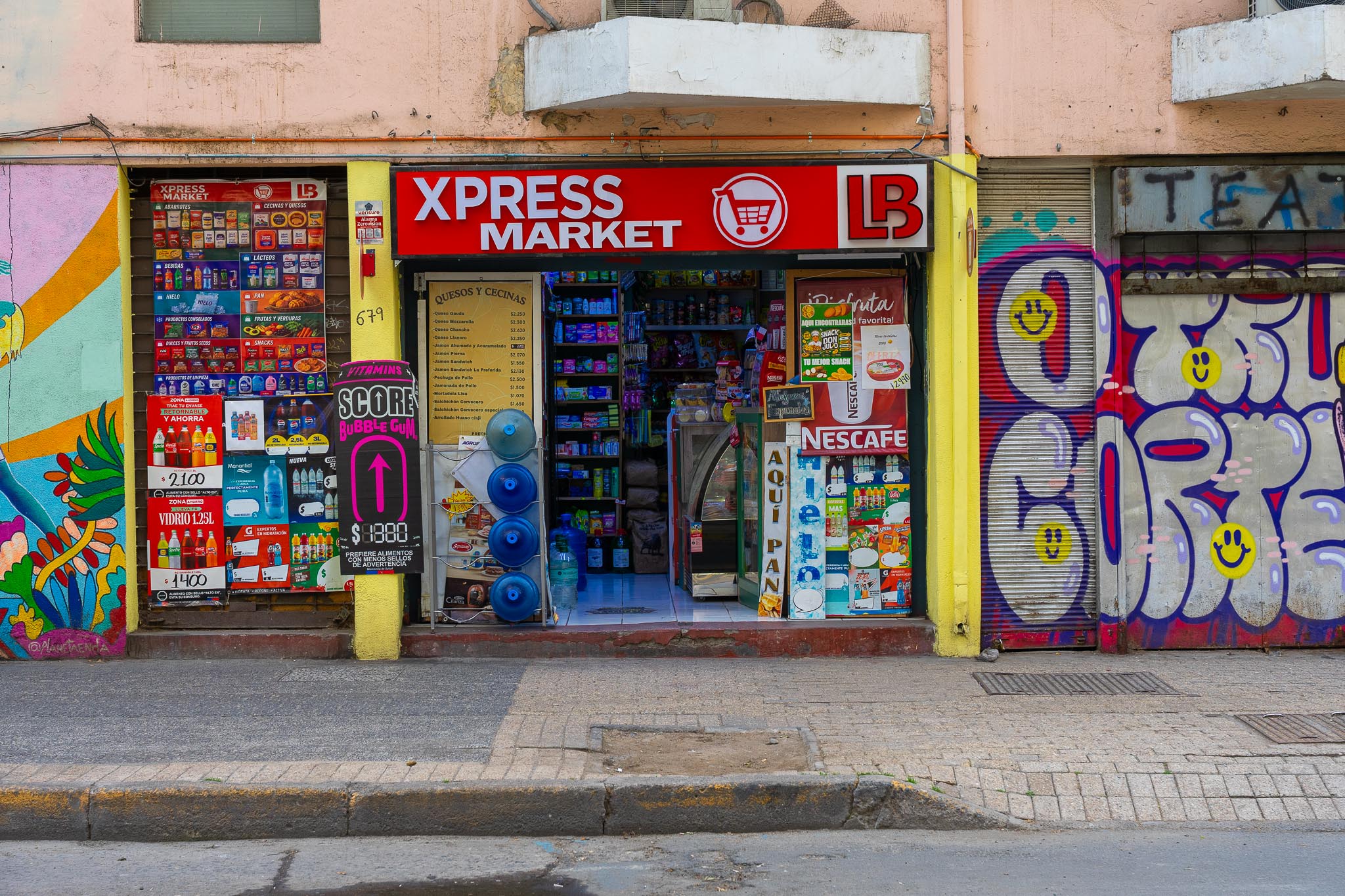
The second day moves from civic Santiago into the city being used. Vega Central brings stalls, produce and movement where the first day had government buildings and formal streets. Its importance is the change in the city around the traveller: the market makes Santiago’s working life visible before the day turns back towards collections and parks.
From Vega, the cultural day continues through the Chilean Museum of Pre-Columbian Art, Parque Forestal and the National Museum of Fine Arts. The Pre-Columbian collection reaches back before the Spanish period, placing the city within a longer history than its colonial and republican buildings suggest. The Fine Arts Museum returns the visit to the cultural centre, while Parque Forestal gives the museums room to remain connected to the streets.
The museums work best with time for the park and the surrounding streets. Choose the collection that most interests you, leave room for Parque Forestal and check current access before going.
Day 3 — Beyond the Monumental Centre
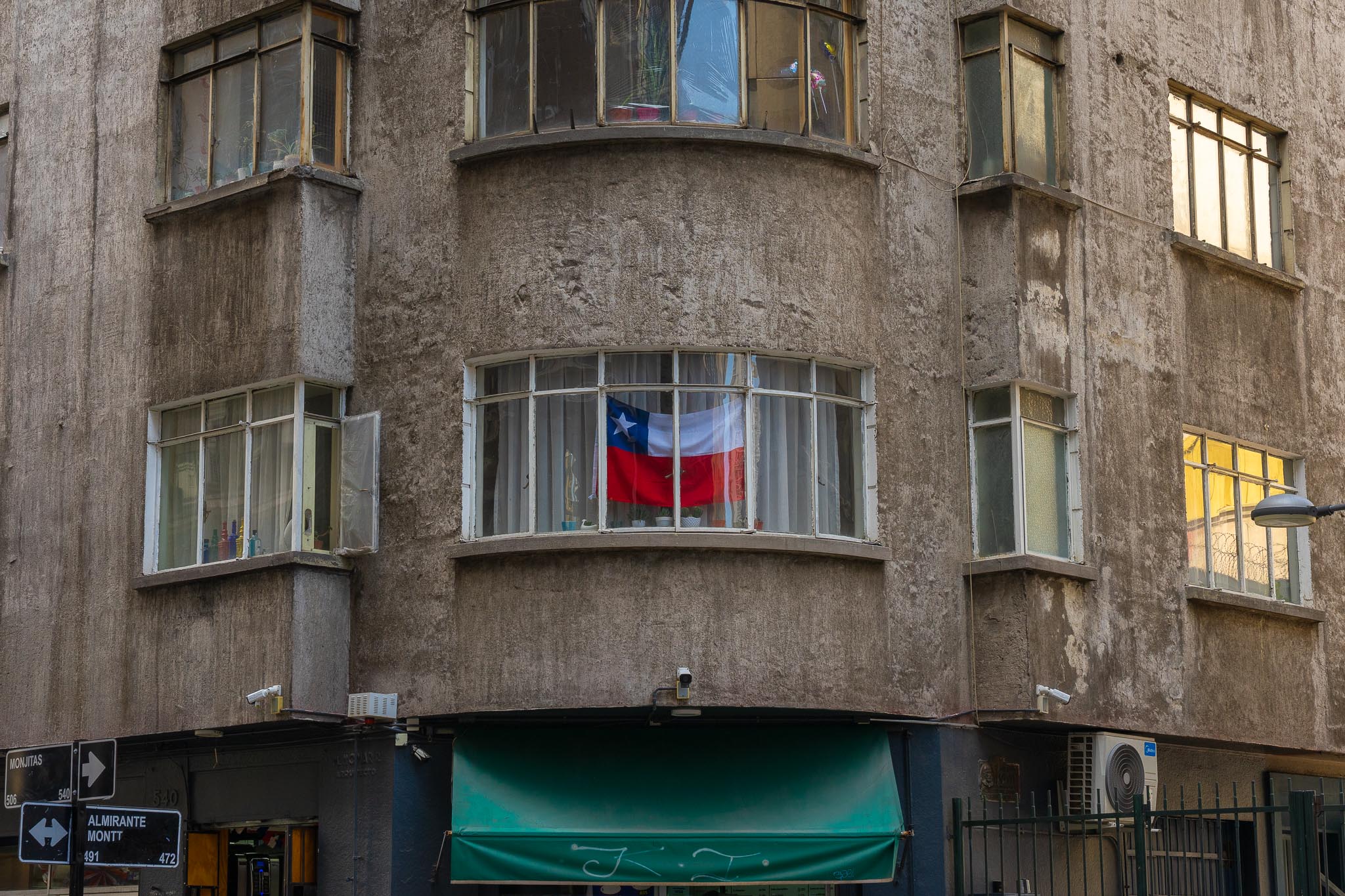
The third day carries the traveller beyond the central sequence. Cementerio General, Yungay and the Sound Museum belong to different parts of Santiago’s memory: a cemetery, an older neighbourhood and a specialised museum. Together they take the day away from the government buildings and towards a city that is less easily reduced to its centre. The cemetery gives public memory a physical place; Yungay extends that memory into the neighbourhoods; the Sound Museum brings it indoors through a more focused cultural collection.
Yungay gives the day its direction. The Sound Museum and Cementerio General extend the same northern and western movement through Santiago, while the streets between them keep the emphasis on moving through the city rather than arriving at one definitive sight. Allow flexibility between stops and check current opening arrangements before leaving.
Day 4 — The City from Above
The final full day changes the scale again. San Cristóbal Hill, Sky Costanera and Santa Lucía Hill offer three different relationships with Santiago: a natural rise at the city’s edge, a high built viewpoint and a hill kept close to the centre. They are not interchangeable, and two viewpoints are enough to make the contrast clear.
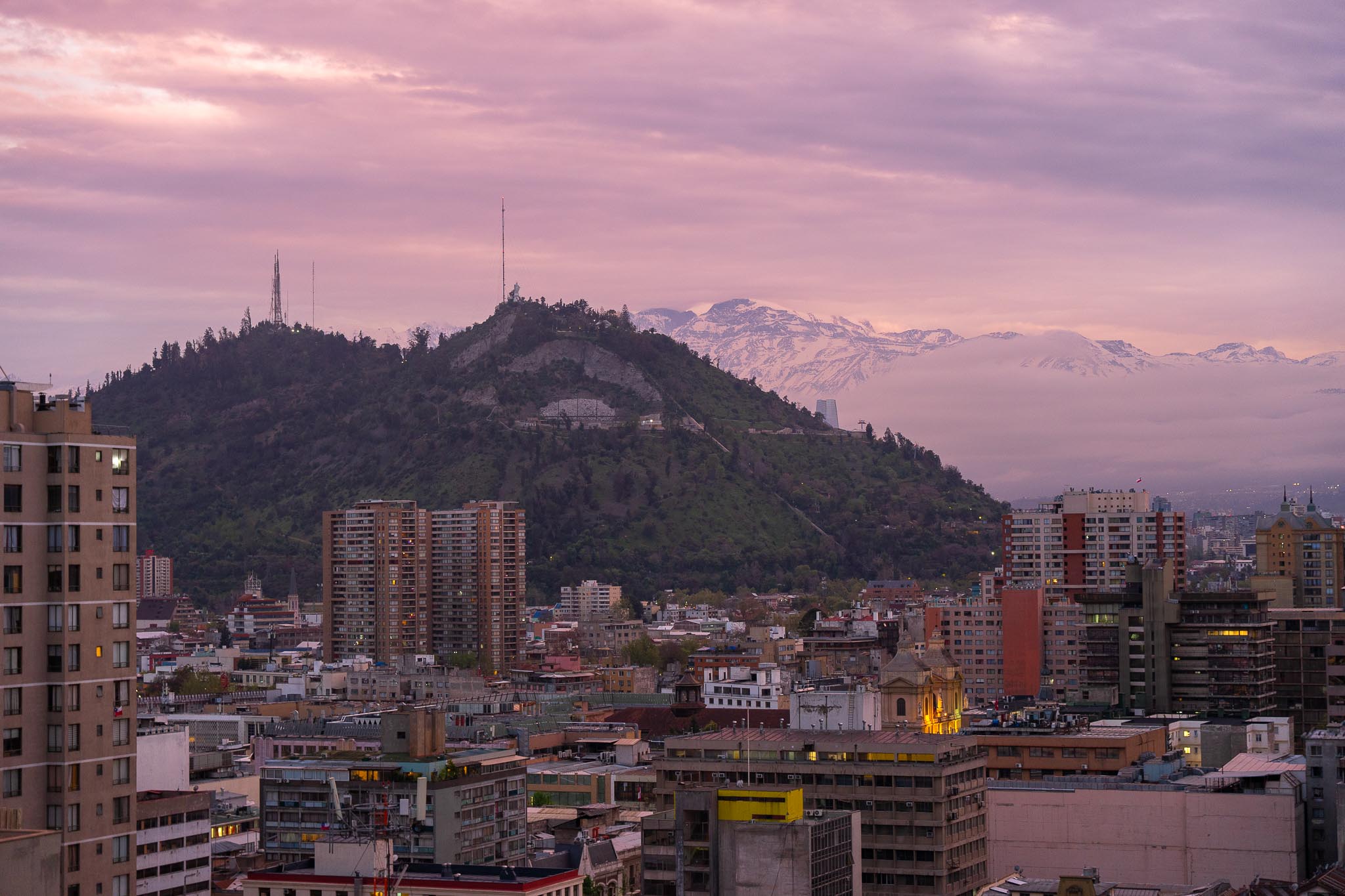
Group the viewpoints by the part of the city you want to see, and check current opening, entry and transport details before setting out. The Santiago Viewpoints guide compares the three perspectives directly.
Departure morning
On 23 September, the bus leaves Terminal Sur at 10:00 am for Mendoza, arriving around 4:00 pm. Leave enough time to reach the terminal and treat the bus as part of the journey rather than an afterthought. Santiago ends by turning east, towards the next landscape.