South America is too large to be understood from one window. It has to be crossed: from the Pacific coast into the Andes, from mountain rail to overnight road, from a city in a bowl to vineyards and waterfalls, and finally to a capital spread across neighbourhoods rather than offering one answer. Twenty-four days made the journey a line, not a loop.
The traveller began in Lima and ended in Buenos Aires, with Peru, Bolivia, Chile, Argentina, Brazil and Uruguay joined by flights, trains, buses and one day across the Río de la Plata. Each leg altered the view. A capital became a mountain town; a mountain town became an archaeological landscape; a cable car became a border road; a waterfall became two countries looking at the same river.
The crossings were part of the place: rail into the mountains, wheels through the night, cabins above La Paz and a border dividing one waterfall between two countries.
I. The Pacific Gate
Lima — three nights between the ocean and the old city
Lima began with layers already in collision. The historic centre gathered San Francisco, Plaza Mayor, Lima Cathedral, the Government Palace, Santo Domingo and Las Nazarenas into one civic and religious register, the grand façades and enclosed courtyards holding the city’s older authority close to the square. The next day moved from Barranco’s bridges and museums to Miraflores and the Pacific, then to Pucllana, Huaca Huallamarca and the Larco Museum, where the city’s pre-Columbian past sat inside its modern districts.
The final Lima day returned to museums and public space—MALI, the Museo de Minerales Andrés del Castillo, Parque La Muralla and Kennedy Park. The sequence kept refusing a single Lima. Church steps gave way to coastal cliffs; ancient brickwork appeared among apartment blocks; collections carried the city’s older worlds indoors. Lima was not a prologue to Machu Picchu. It set the journey in motion.
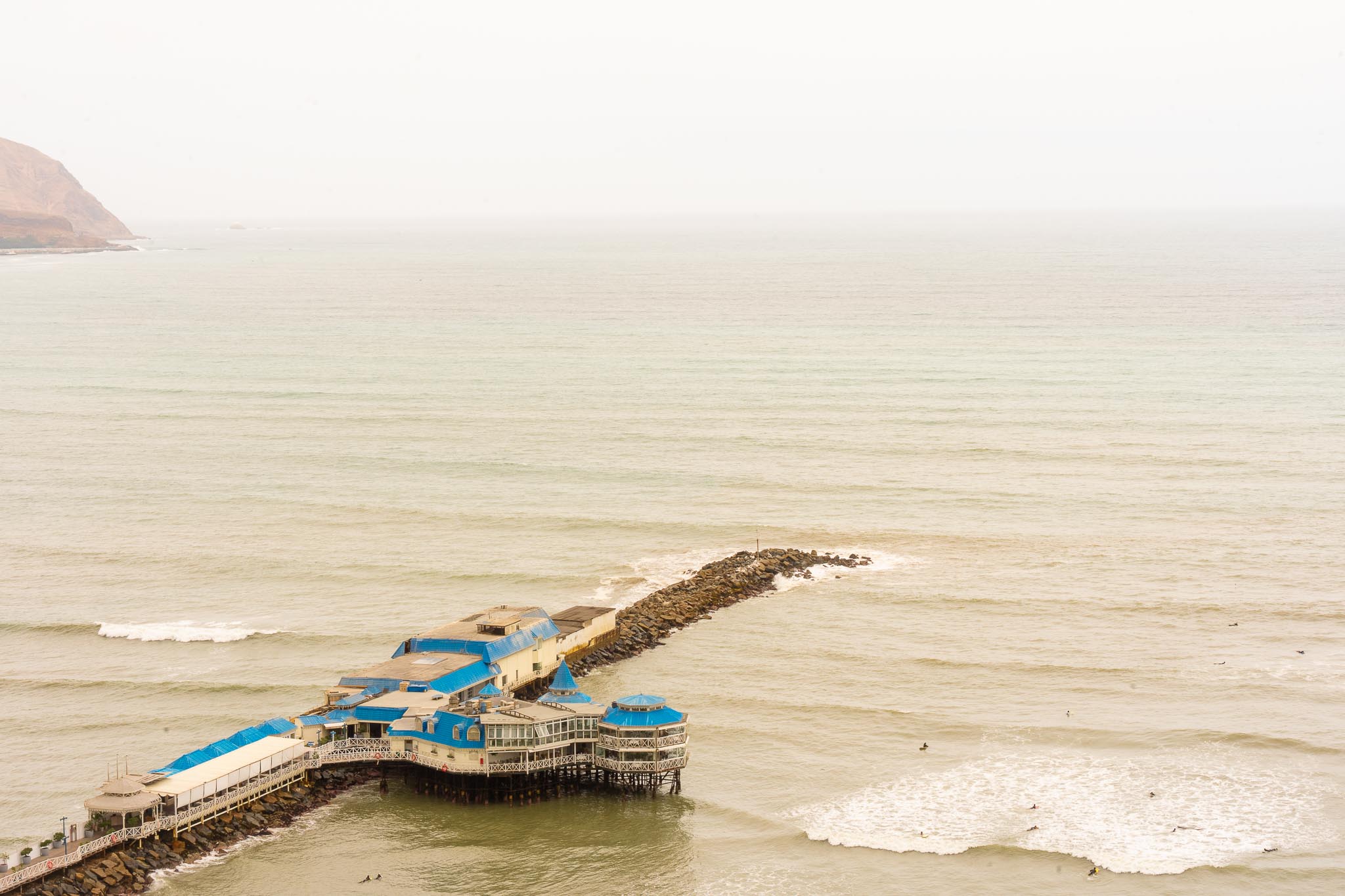
For the day-by-day detail, continue to the 3 Days in Lima itinerary.
II. Into the Mountains
Cusco, Aguas Calientes and Machu Picchu
On 13 September, the traveller left Lima for Cusco, then continued by PeruRail towards Aguas Calientes. The mountain stage arrived in pieces: rail, steep walls, a town gathered around its tracks, and the archaeological park above it all.
Machu Picchu was the centre of the stage, but not its only subject. Two nights made room for the Aguas Calientes market, hot springs, the Butterfly Zoo and meals in town. Huayna Picchu occupied its own morning on 14 September, while the following morning returned to the National Archaeological Park before the journey turned back towards Cusco.
Below the ruins, Aguas Calientes gathered around the railway, the market and the steep walls above the river. The traveller moved from a capital of plazas and museums into a place where the train, the mountain and the ruins controlled the shape of the day.
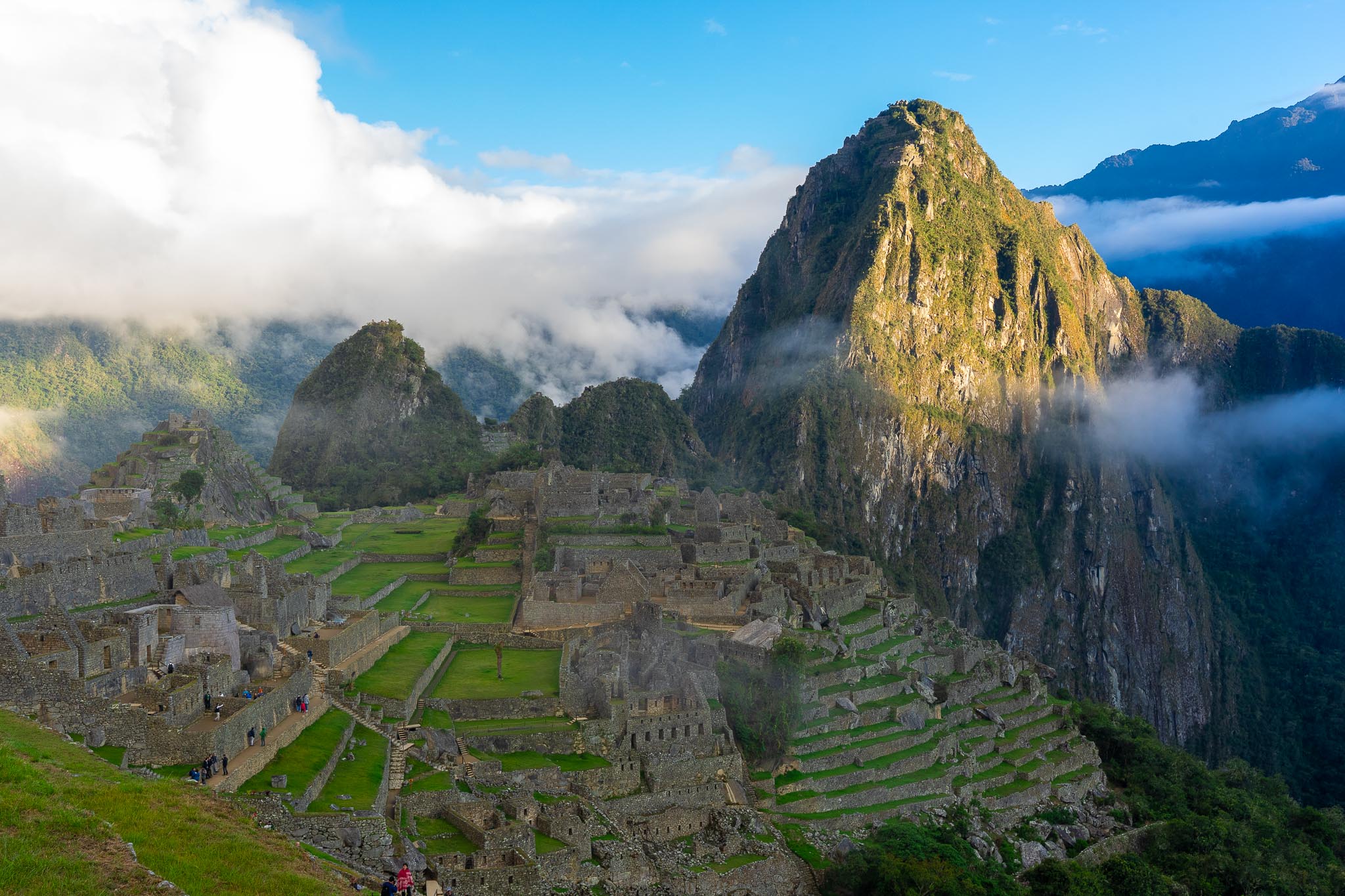
Read the Machu Picchu and Aguas Calientes itinerary and the separate Huayna Picchu hike guide.
III. The Night Road to Bolivia
Cusco to La Paz
After the return from Machu Picchu, the traveller walked from Wanchaq to the bus terminal and left Terminal Terrestre de Cusco at 10:00pm on 15 September. Transzela carried the journey through the night towards La Paz, where the bus arrived at 1:00pm the following day.
This was the hinge of the route. The ruins and railway fell behind; the high city waited beyond the dark hours. The overnight bus was where the trip became one long line across the continent.
Continue with the Cusco to La Paz overnight bus account.
IV. The City in the Bowl
La Paz — movement above the streets
La Paz changed the way the traveller moved through a city. Plaza Murillo and the Witches’ Market marked the first afternoon on 16 September. Mi Teleférico lifted the route above the streets, while Mirador Killi Killi placed the city against the folds of its valley.
The following day moved through Sucre Square, the Coca Museum, San Francisco Basilica, national museums and Mercado Rodríguez before returning to the cable-car network and Hernando Siles Stadium. Valle de la Luna came on the morning of 18 September, when the city gave way to eroded walls and paths outside the dense centre.
The city’s height stayed present in the movement between them. Walking and cable cars carried the days between markets, museums and viewpoints; the planned running gave way to walking, with easy jogging left as an option rather than a separate event.
The stadium was Hernando Siles; the day remained a city visit rather than a football-match story. Markets sat at street level, cable cars in the air, museums between them, and the valley opened beyond.
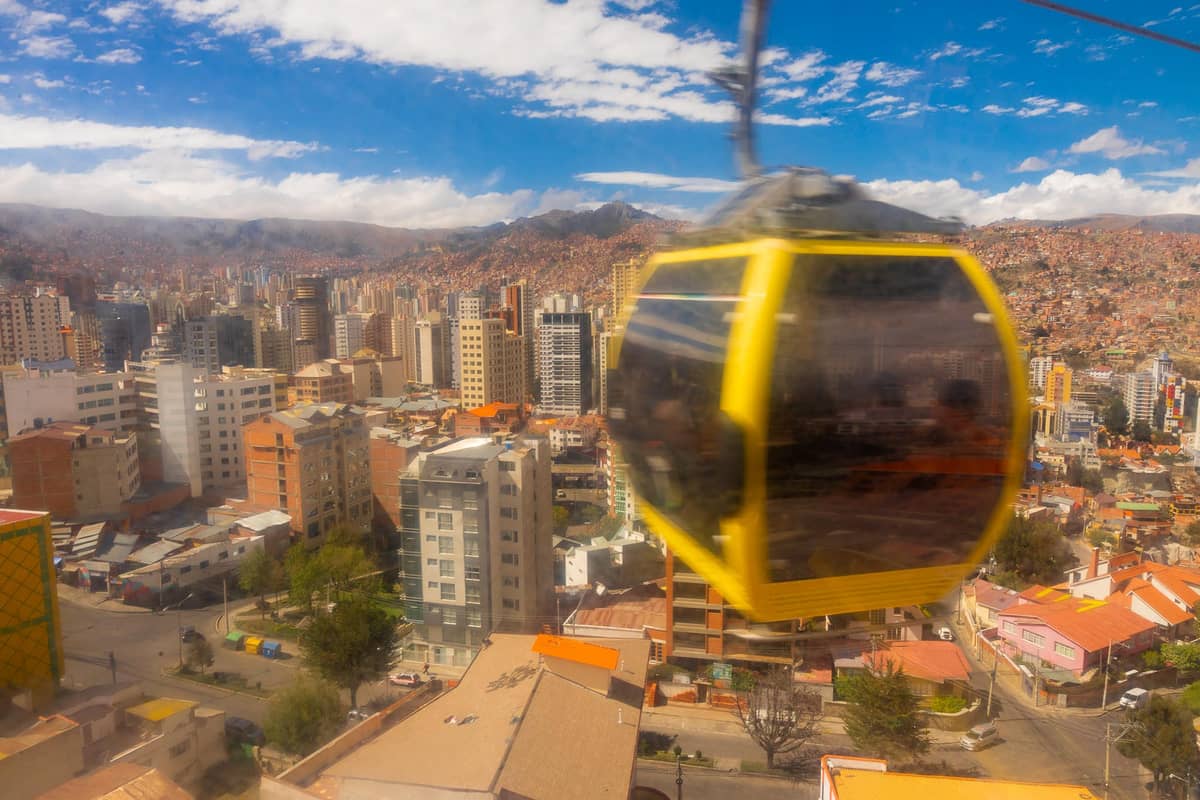
Continue to the 3 Days in La Paz itinerary.
V. The Basin of Mountains
Santiago — four nights beneath the Andes
Santiago received four nights from 19 to 23 September. Its route stayed close to public and cultural institutions: La Moneda Cultural Center, the Metropolitan Cathedral, Estación Mapocho, Vega Central, the Pre-Columbian Art Museum, Parque Forestal, the Fine Arts Museum, Cementerio General, Yungay and the Sound Museum. The city moved between public faces—government and cathedral, market and museum, cemetery and neighbourhood—before the final sequence widened towards San Cristóbal Hill, Sky Costanera, the Bahá’í Temple and Santa Lucía Hill.
Santiago held the traveller among public buildings, markets and museums, then raised the city into a basin of buildings and mountains.
Follow the 4 Days in Santiago itinerary.
On 23 September, the traveller left Santiago by bus and crossed the Andes towards Mendoza.
VI. The City of Shade and Wine
Mendoza — three nights at the edge of the Andes
The bus left Terminal Sur for Mendoza at 10:00am and arrived around 4:00pm. Mendoza opened through Parque General San Martín, Mendoza University, central streets, Cerro de la Gloria and San Vicente Park before the named producers and vineyards—Carmelo Patti, Bodega Viamonte, Cecchin, Pasrai, Vistandes and Bodega Esencia 1870—opened the next part of the stay.
Mendoza answered Santiago with shade, formal green spaces and the foothill edge. The two stops were joined by one bus route but offered different settings.
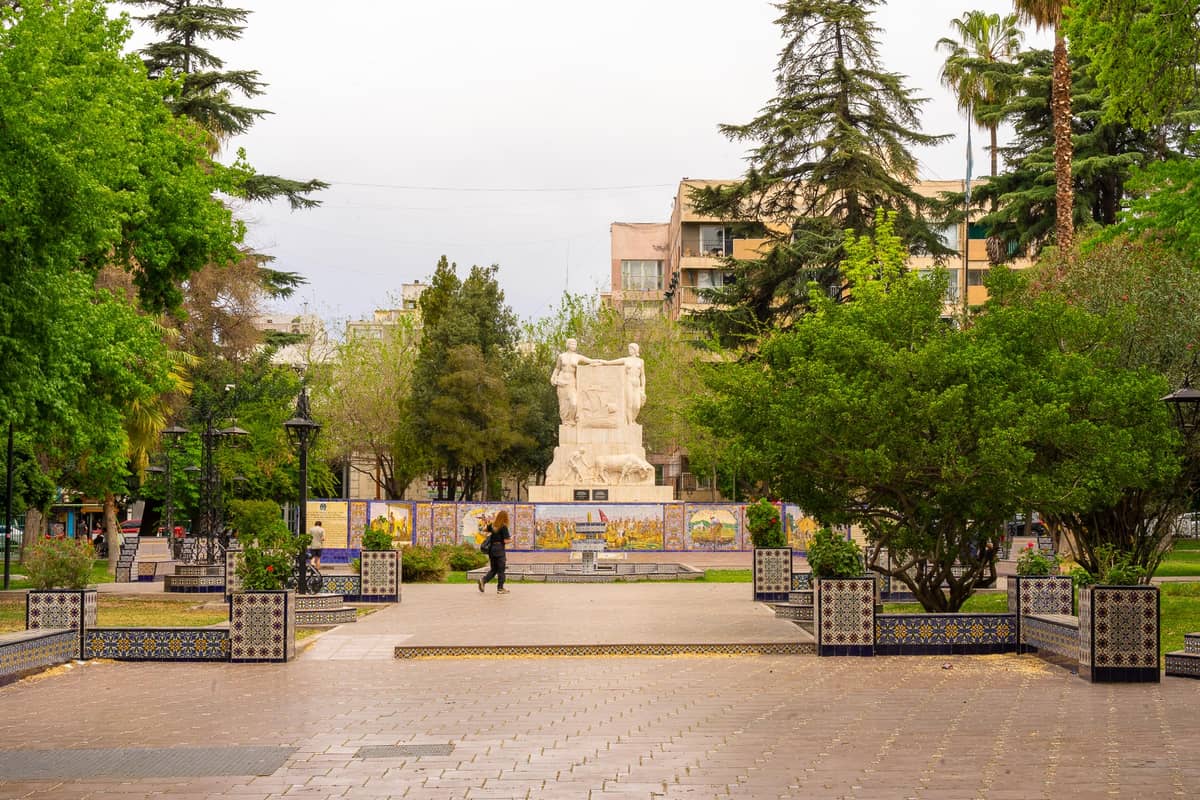
Follow the 3 Days in Mendoza itinerary.
VII. The Great Water
Iguazú — one landscape, two countries
The Iguazú stage ran from 26 to 29 September, with Puerto Iguazú as the base. Argentina and Brazil did not offer duplicate views of one attraction. They made two different days from the same river frontier.
The Argentine side moved through Hito Tres Fronteras, Iguazú National Park, Garganta del Diablo, the Upper Circuit, the Lower Circuit and the hummingbird garden. Brazil brought the Cataratas trail, Macuco Safari and Parque das Aves; border and police stops came between them.
Argentina arranged the falls in named stages. Brazil opened the water into a wider day that continued towards birds and a butterfly. It was not a contest between better and worse sides; it was the reason the route allowed both. Iguazú became larger when the border was crossed.
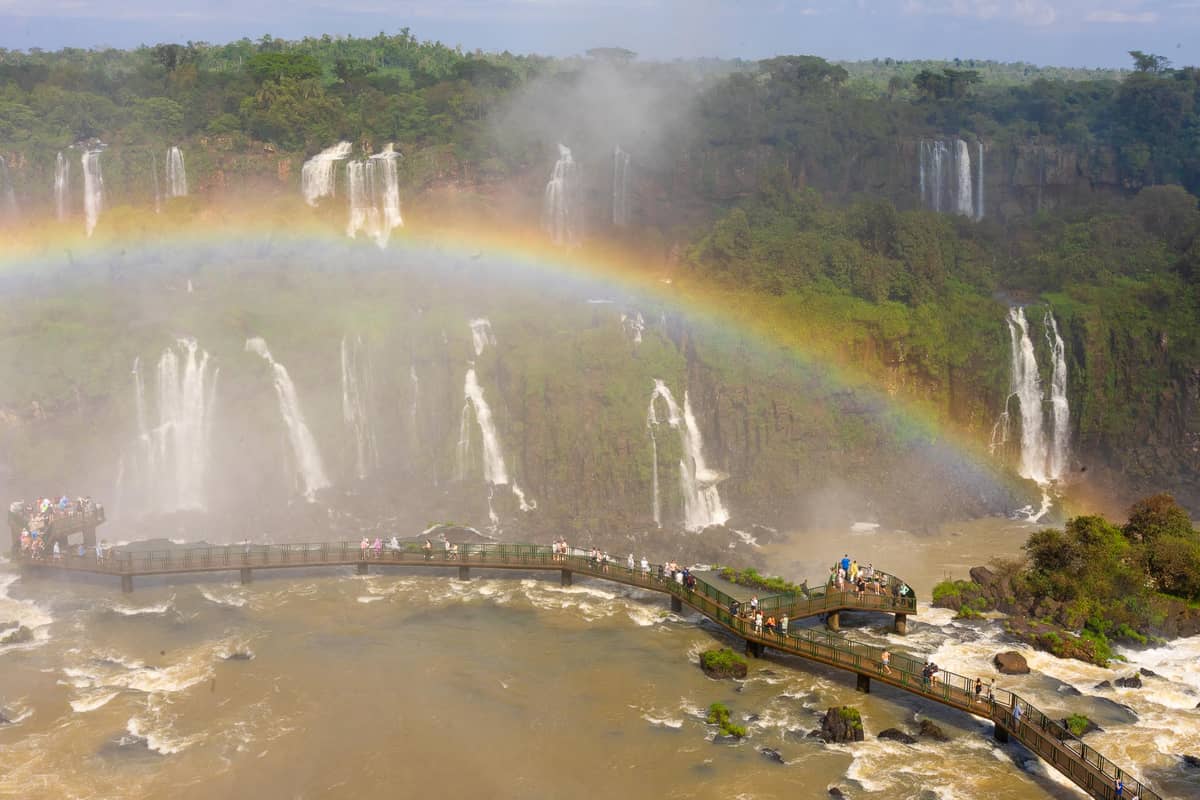
Continue with the Iguazú Falls in 2 Days itinerary and the Argentina versus Brazil comparison.
VIII. The Last Capital
Buenos Aires and the day across the river
Buenos Aires was the final base: five nights from 29 September to 4 October. Plaza de Mayo, Casa Rosada, the Obelisk, Teatro Colón, Recoleta Cemetery, El Ateneo and Palacio Barolo formed the civic and cultural centre, a sequence of squares, institutions, theatres and monuments. San Telmo, Puerto Madero, La Boca, Palermo and the parks changed the city’s scale again.
The capital unfolded barrio by barrio. Recoleta concentrated monuments and museums; San Telmo brought markets and older streets; Puerto Madero turned towards water and newer structures; La Boca brought art, port architecture and a stadium visit; Palermo held the base and the parks. Buenos Aires did not ask to be solved by one landmark. Its meaning accumulated in the distance between districts, in the change from cemetery stone to painted walls, from port edge to park shade.
On 2 October, the traveller spent a separate day in Colonia del Sacramento before returning to Buenos Aires.
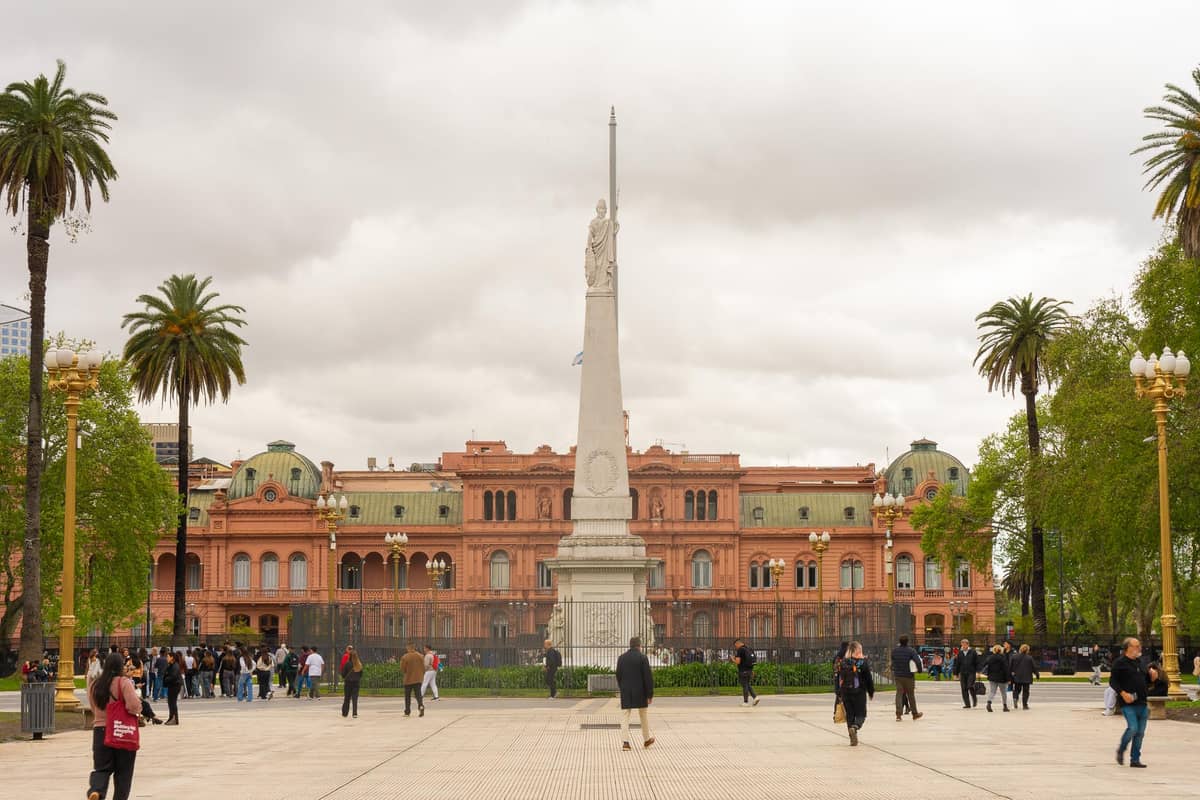
For the final city stage, read the 5 Days in Buenos Aires itinerary. Colonia remains a separate day across the Río de la Plata within the wider journey.
Closing distance
By the time Buenos Aires arrived, the journey had crossed from the Pacific coast to the Andes, from a mountain railway to an overnight road, from cable cars and foothills to the two-sided water of Iguazú. Lima had set the first urban terms. Machu Picchu had turned the route vertical. In La Paz, getting around became part of the experience. Santiago and Mendoza had carried it across the continental spine.
Then the road widened again into Buenos Aires, a final capital understood district by district. Beyond that city, Colonia waited across the river as one last outward gesture before the return home.
Twenty-four days did not make South America smaller. They made its distances visible. The traveller crossed six countries and left with the road still running beyond the edge of the map.
But the road is ever onward.