Lima does not reveal itself in a single direction.
There is the ceremonial city of plazas, churches and government buildings. There is Barranco, painted and low-rise, connected by lanes, parks and public spaces. There is Miraflores along the cliffs. There are museums full of earlier versions of Peru, and archaeological sites sitting inside modern neighbourhoods as the city carries on around them.
Three days was enough to see all of those Limas.
Not slowly.
The route was ambitious from the beginning: arrive from Mexico, complete the accommodation handoff in Jesús María, and begin sightseeing in the historic centre that same afternoon. The following day crossed Barranco and Miraflores before turning inland through archaeological sites and museums. The third returned to central Lima for another museum-heavy day before departure toward Cusco on 13 September.
This is not a prescription for a relaxed weekend.
For a discovery-led shortlist of the experiences behind this route, start with the best things to do in Lima guide.
And it is a useful demonstration of how much city can sit inside Lima.
The geography matters. This itinerary does not unfold as one neat walking loop. It uses walking within neighbourhood clusters and short drives between districts. That is part of the character of the trip.
Day 1 — Arrival and the Historic Centre
The flight from Mexico reached Jorge Chávez International Airport at 12:25 in the afternoon.
After settling in Jesús María, sightseeing began that afternoon.
That is not a gentle arrival day. It is, however, an efficient way to enter Lima’s historic centre once the airport transfer is complete.
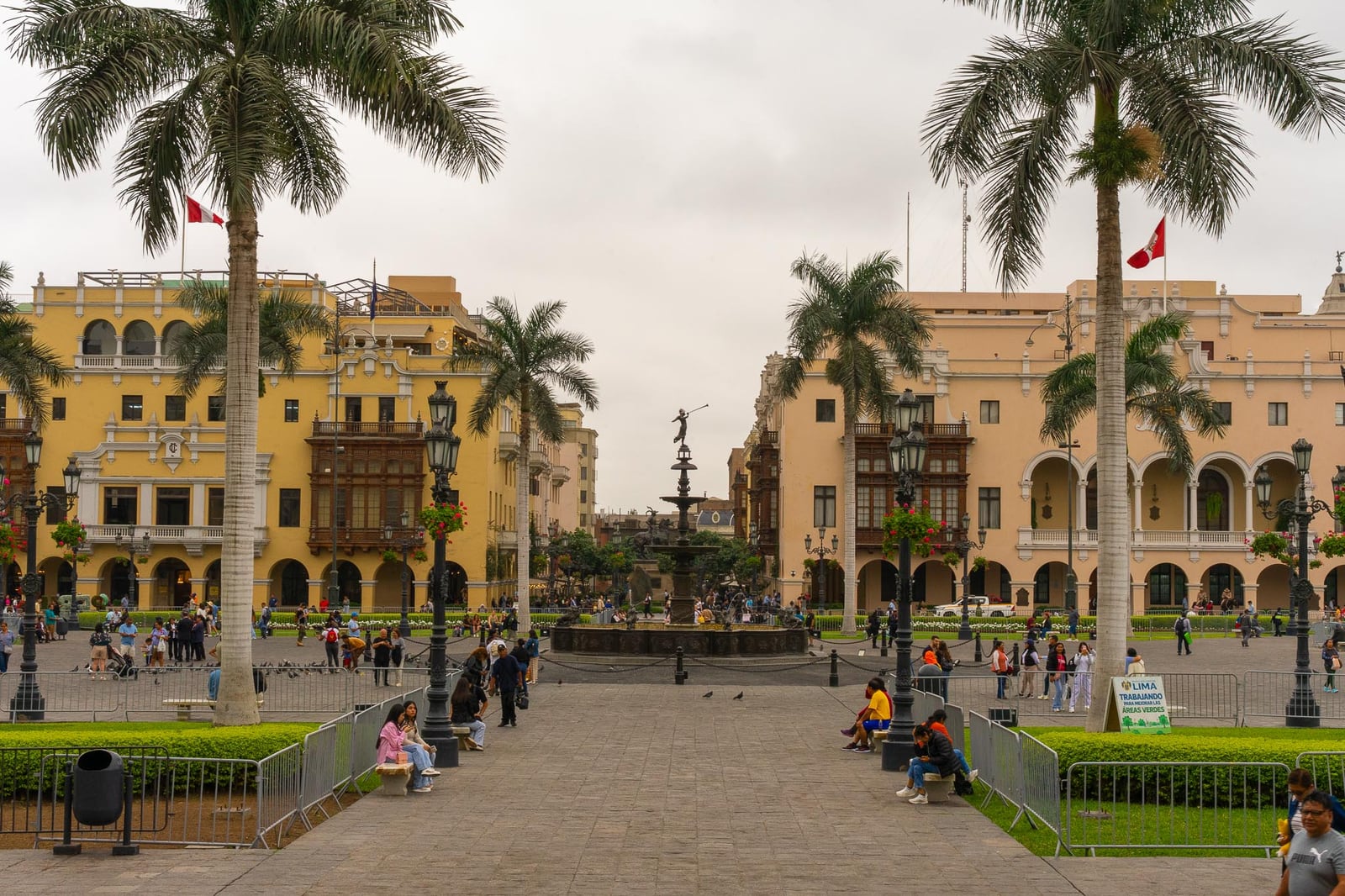
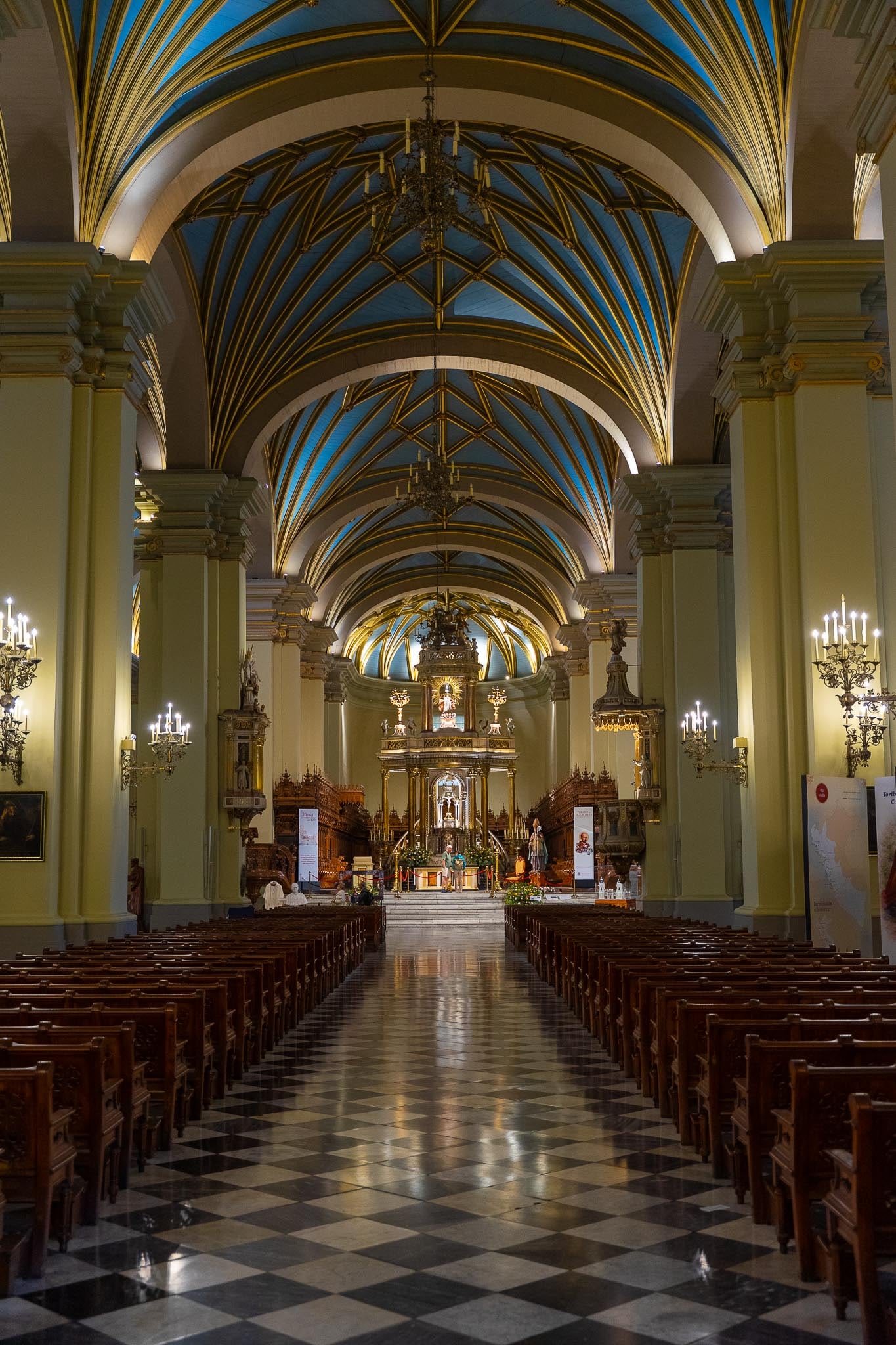
The afternoon began at the Basilica and Convent of San Francisco, then moved through the civic and religious heart of the city: the Palacio Municipal, Lima Cathedral, the Government Palace area, Santo Domingo and the Plaza Mayor. For the focused Historic Centre route and San Francisco guide, see Lima Historic Centre and San Francisco.
The sequence puts much of official and religious Lima into a compact part of the afternoon.
Rather than treating each building as an isolated attraction, this part of the city works as an ensemble. Churches, balconies, façades, government buildings and public space overlap. The Plaza Mayor becomes less a single stop than the centre of gravity holding the surrounding streets together.
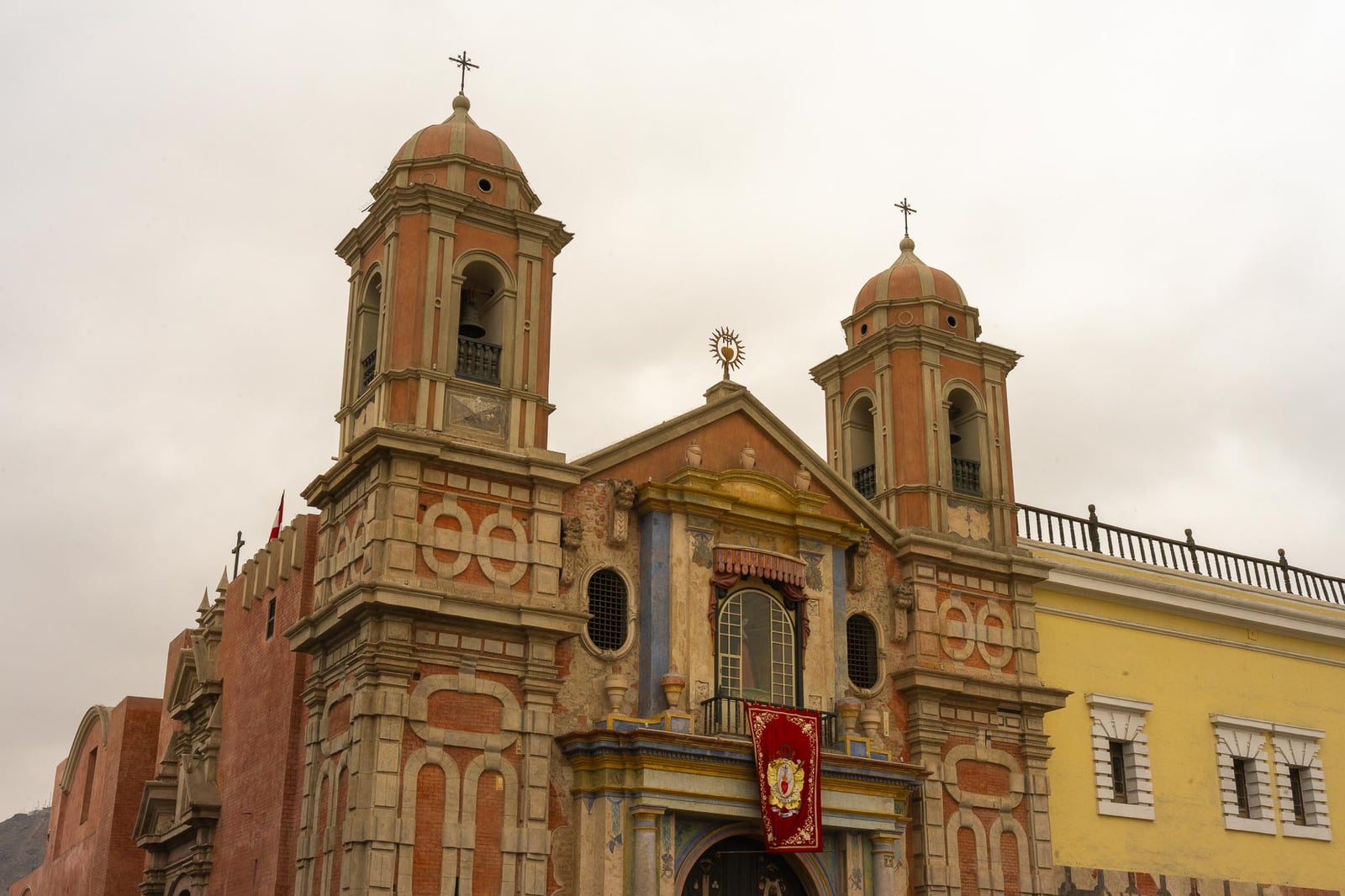
The afternoon finished at Iglesia Las Nazarenas, before dinner at Cevichería Barra Maretazo.
There are travel days when arrival consumes the day.
This one did not. Within hours of landing, the route had already crossed Lima’s formal, historic and architectural centre.
Day 2 — Barranco to Miraflores
The second day is the heart of this itinerary.
It is also the day to divide if the trip has four days rather than three.
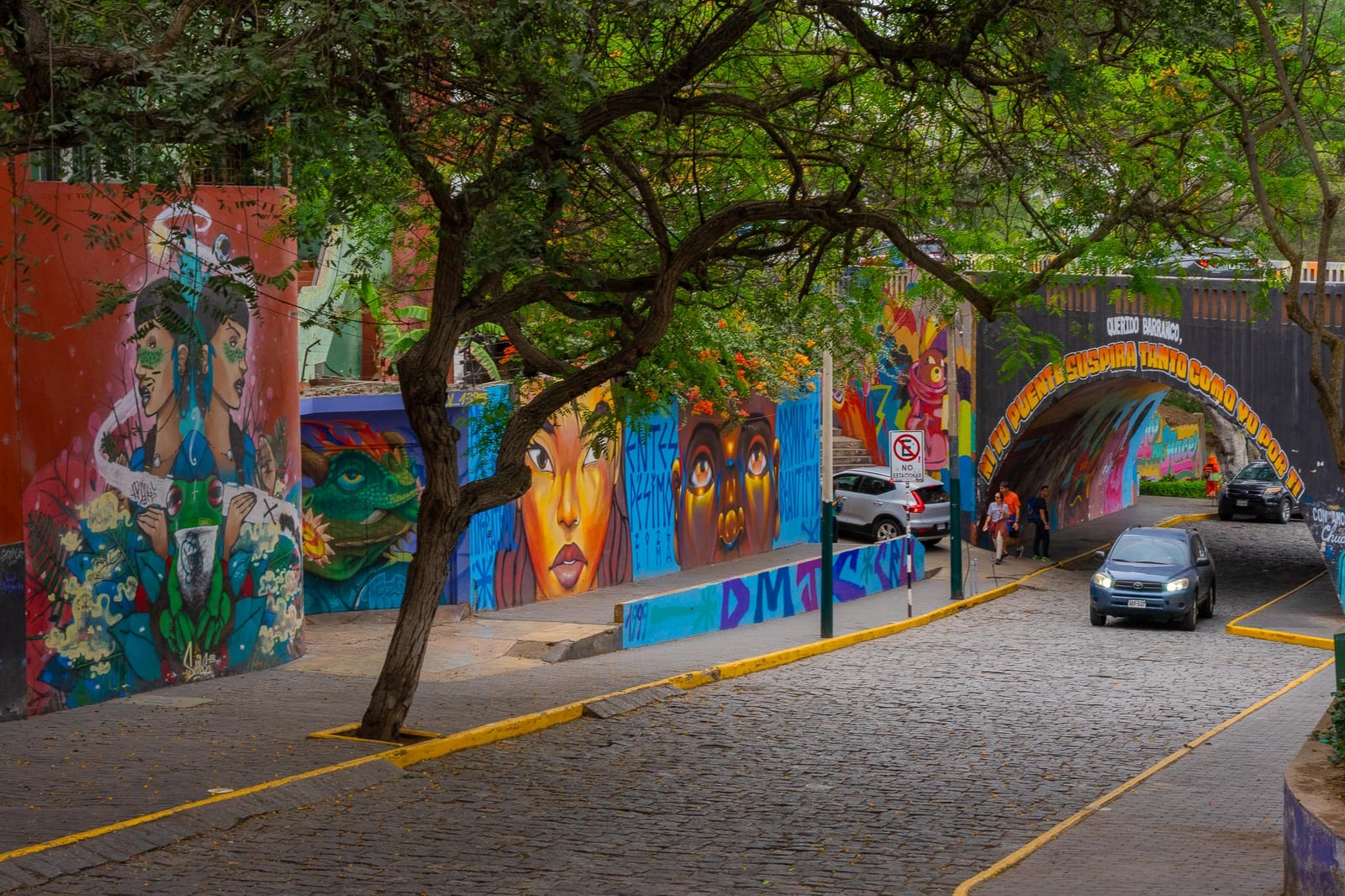
The route began in Barranco, where several stops formed a walkable cluster: El Cacaotal, the Bridge of Sighs, the Bajada de Baños, Barranco Municipal Park, Museo Mario Testino and Museo Pedro de Osma.
The short walk from El Cacaotal to the Bridge of Sighs was followed by walking between the Barranco landmarks and museums. Barranco works here as a neighbourhood rather than a collection of isolated pins. Streets, public spaces, colourful walls and museums connect naturally enough that moving between them becomes part of the visit.
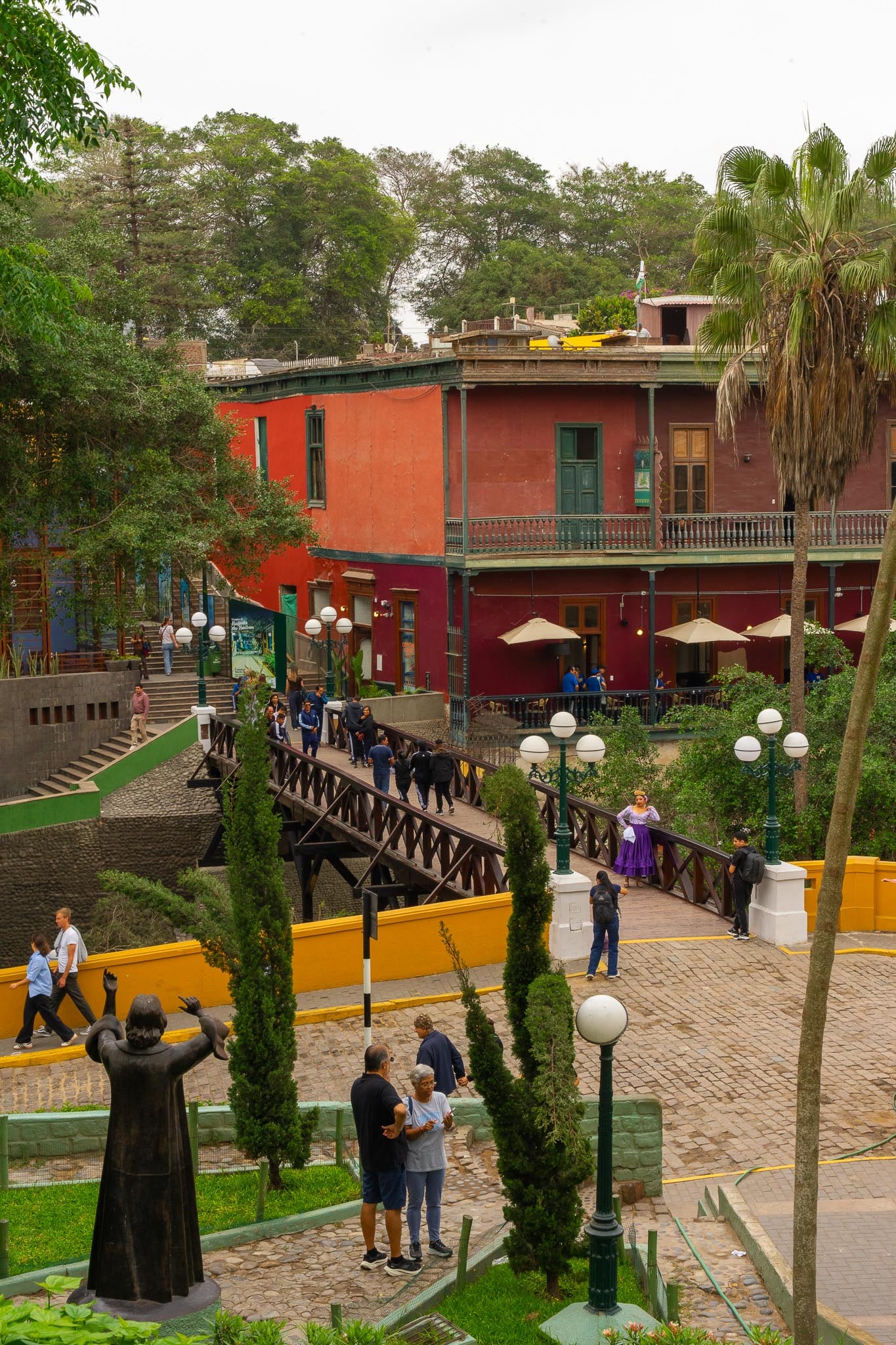
From there, the route shifted north toward Miraflores. The day is covered in more detail in the Barranco to Miraflores coastal-neighbourhood guide.
The transition moved through the Puente Eduardo Villena Rey and Love Park, then along the Malecón de Miraflores.
And suddenly Lima opens.
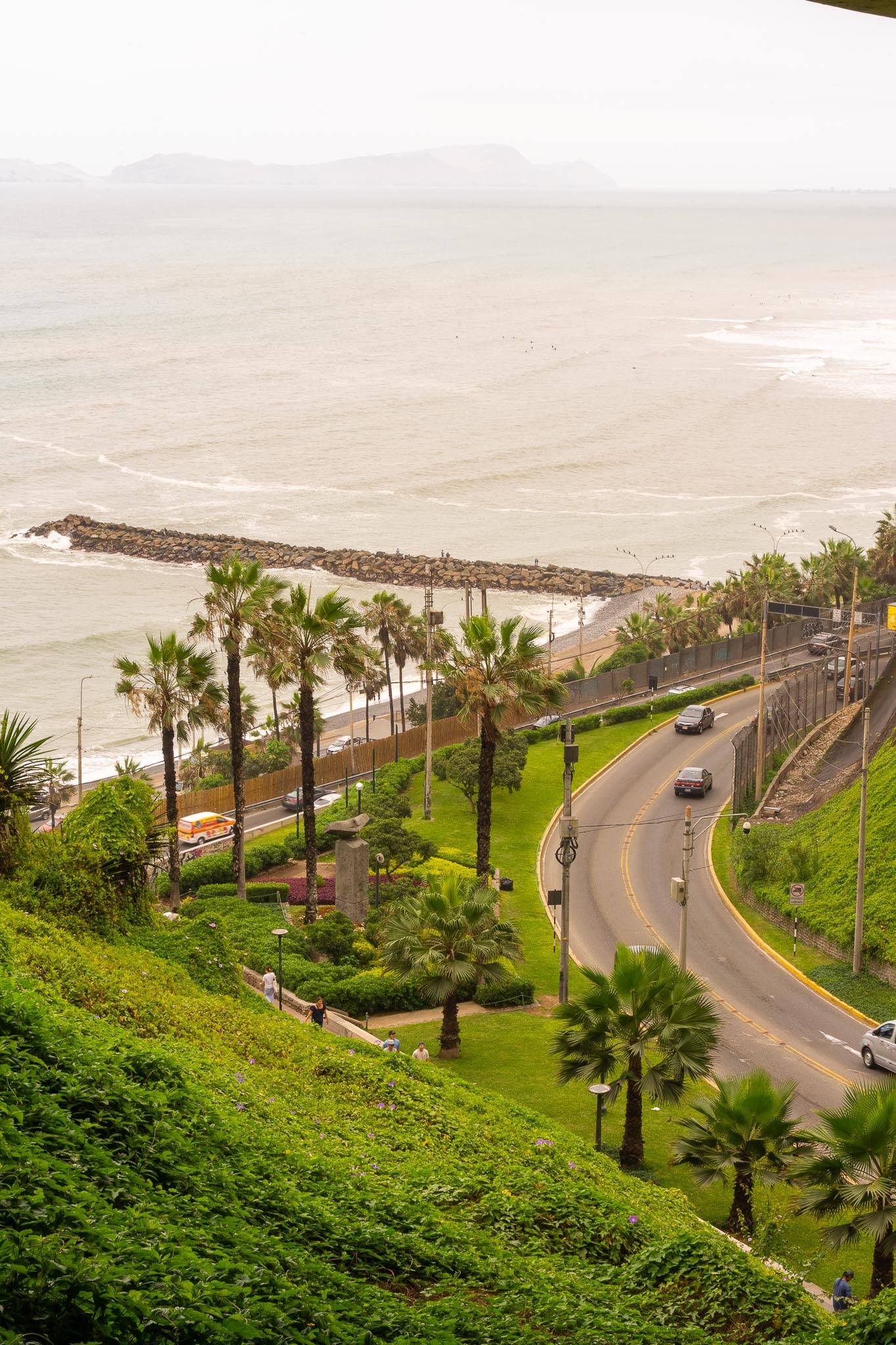
Until this point, much of the route had been streets, façades, museums and enclosed urban spaces. Then there was the Pacific: a coastal view, cliffside roads and palms replacing the tight geometry of the historic centre.
It is a different visual register from Plaza Mayor, yet still part of the same day and the same city.
The contrast is one reason Lima works well over several days rather than as a single historic-centre visit.
The City Beneath the City
After the coast, the itinerary turned inland.
There was a stop at the Miraflores Indian Market, followed by one of the most distinctive sequences of the trip: Pucllana, Huaca Huallamarca and then the Larco Museum.
For a focused account of the archaeological stop inside Miraflores, continue to the Huaca Pucllana guide. This page remains the complete three-day Lima route.
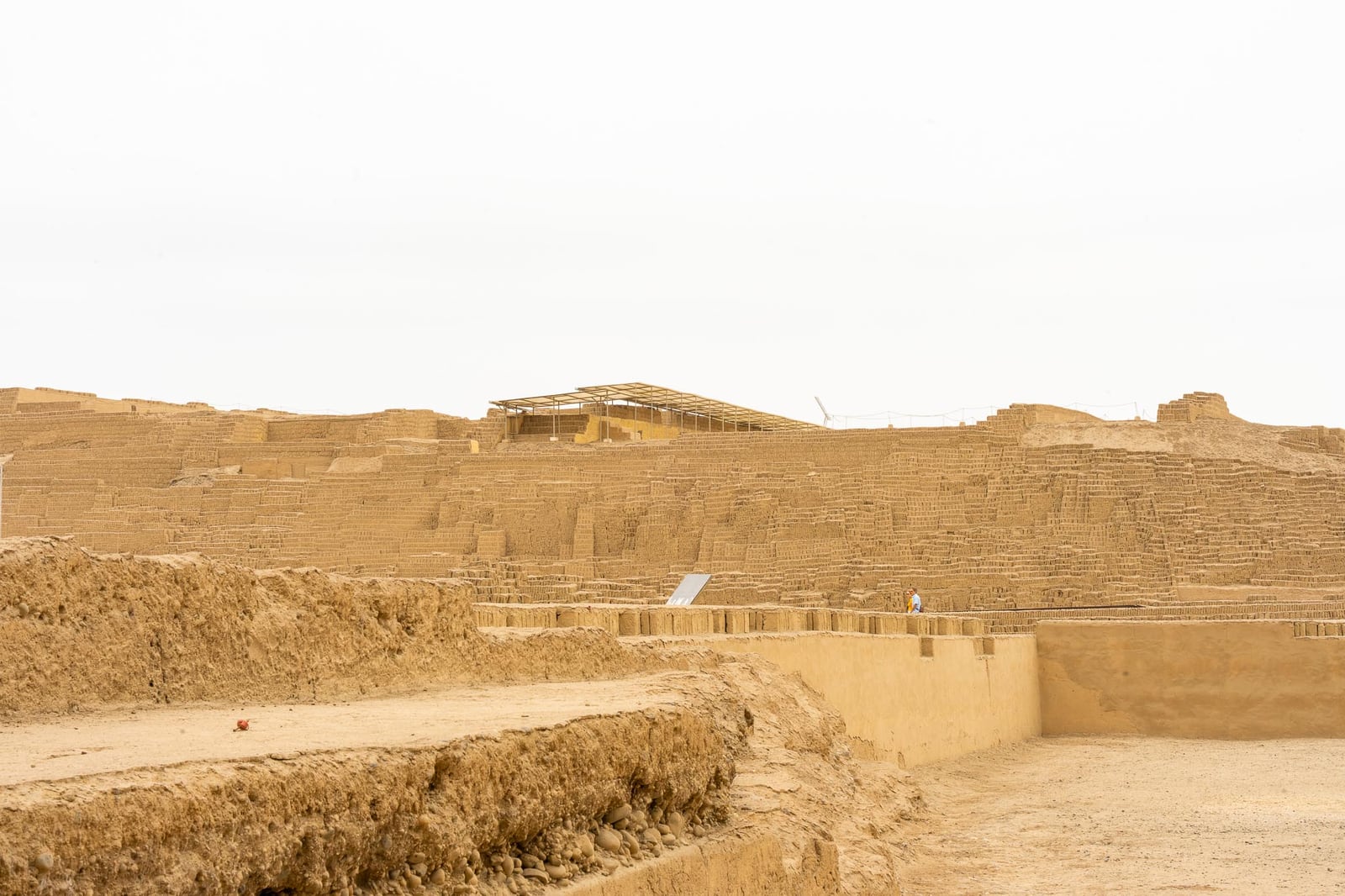
This is where Lima’s layers become literal.
Modern streets surround archaeological sites. Apartment blocks and traffic exist beside structures from a much older city. The route moved from Barranco, to the Pacific coast, to archaeological remains and then to a museum before dinner.
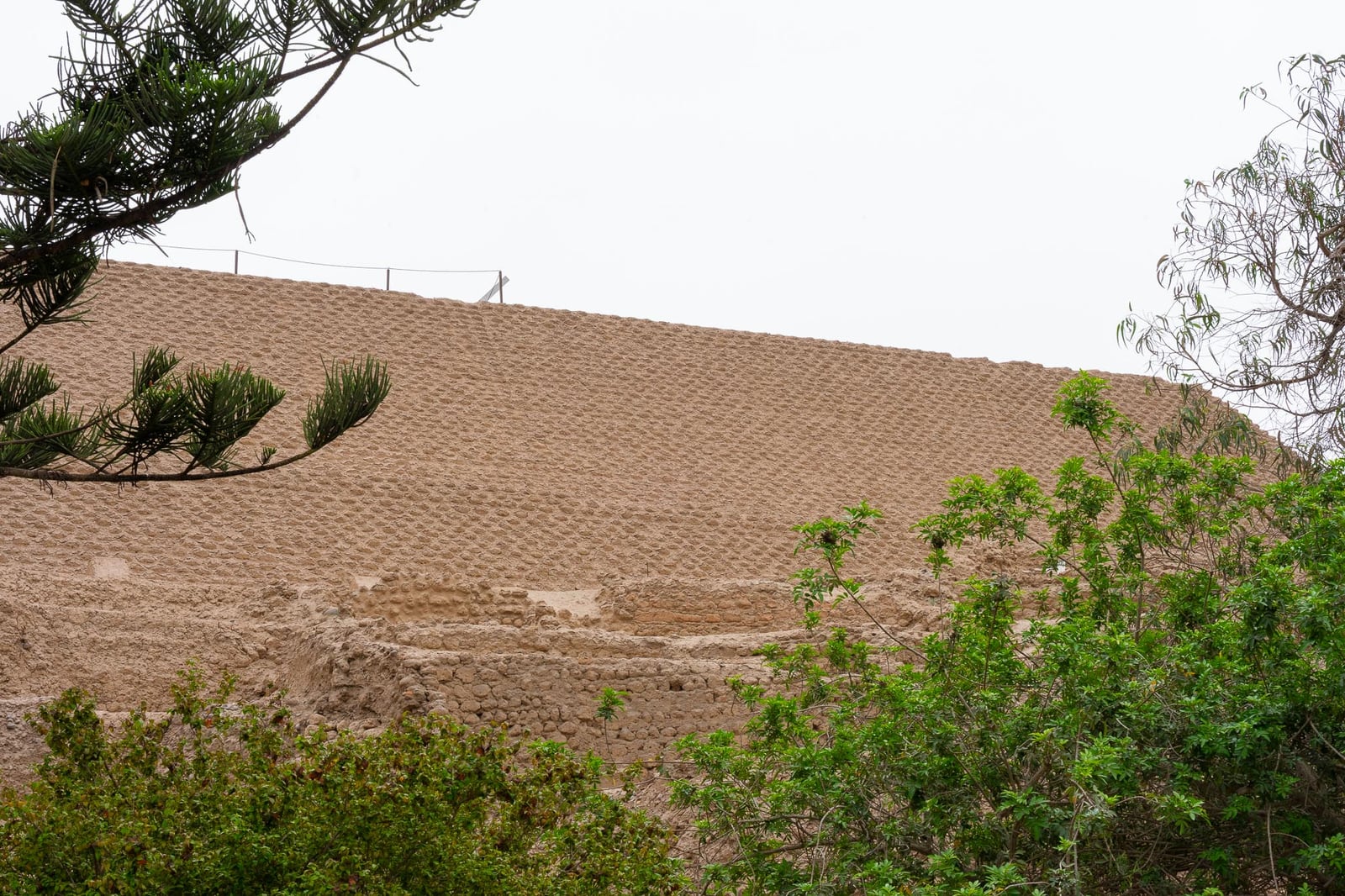
The day continued from Huaca Huallamarca to the Larco Museum, before circling back toward Miraflores for dinner at Restaurant Huaca Pucllana.
It was an ambitious day: Barranco, the coast, a market, two archaeological sites, Larco and dinner.
The useful lesson is not that every visitor should reproduce it minute by minute. It is that these areas can be combined geographically, while the complete sequence is still demanding.
If you have four days rather than three, this is the day to divide.
Day 3 — Museums, Streets and Central Lima
The final full Lima day began early.
The route left Jesús María at 7:00 am and moved through Park Juana Alarco de Dammert and Parque La Muralla before turning toward museums.
The main cultural stops were the Museo de Arte de Lima, usually referred to as MALI, and the Museo de Minerales Andrés del Castillo, with a further stop at INEI – Sede central.
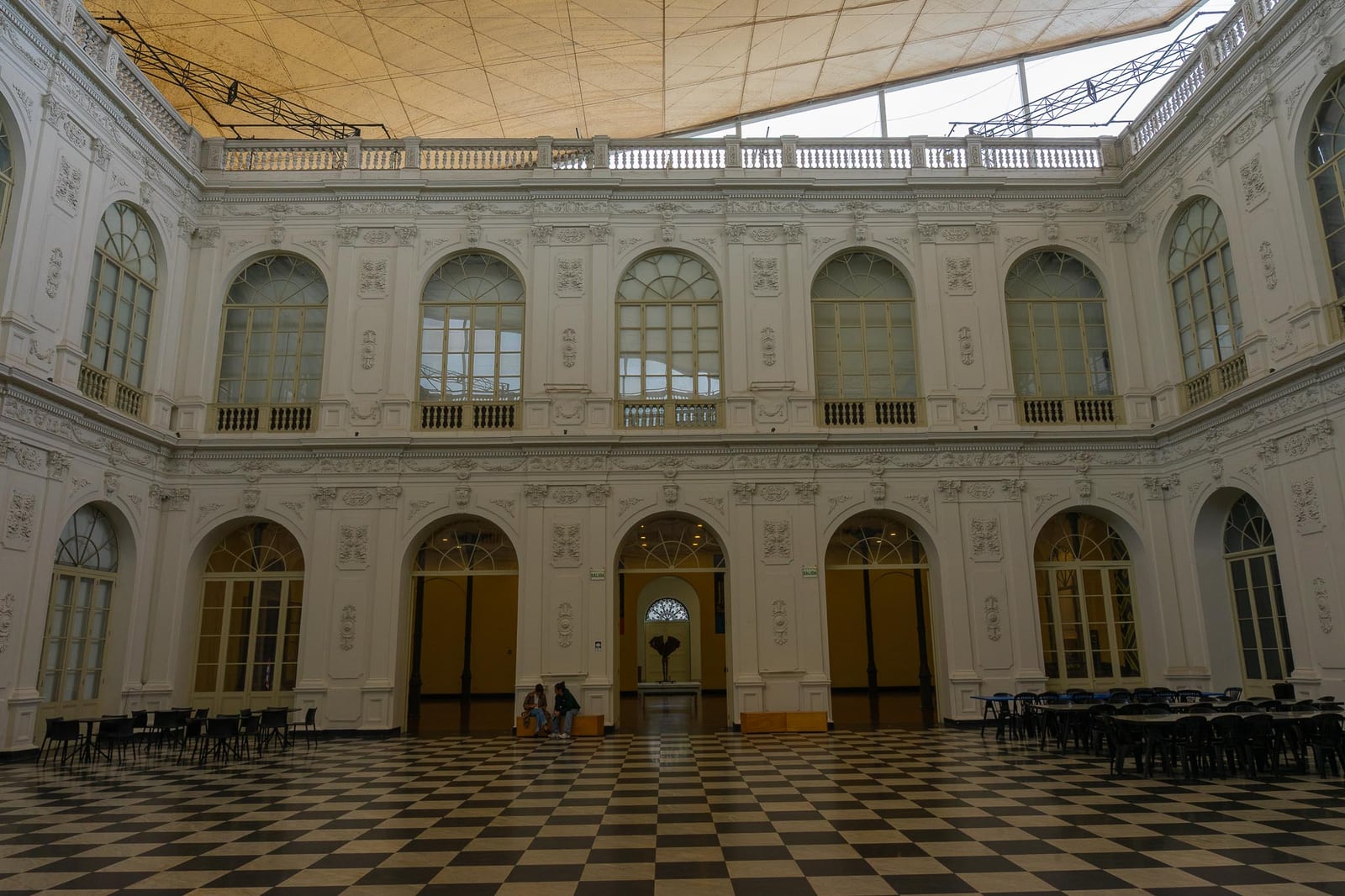
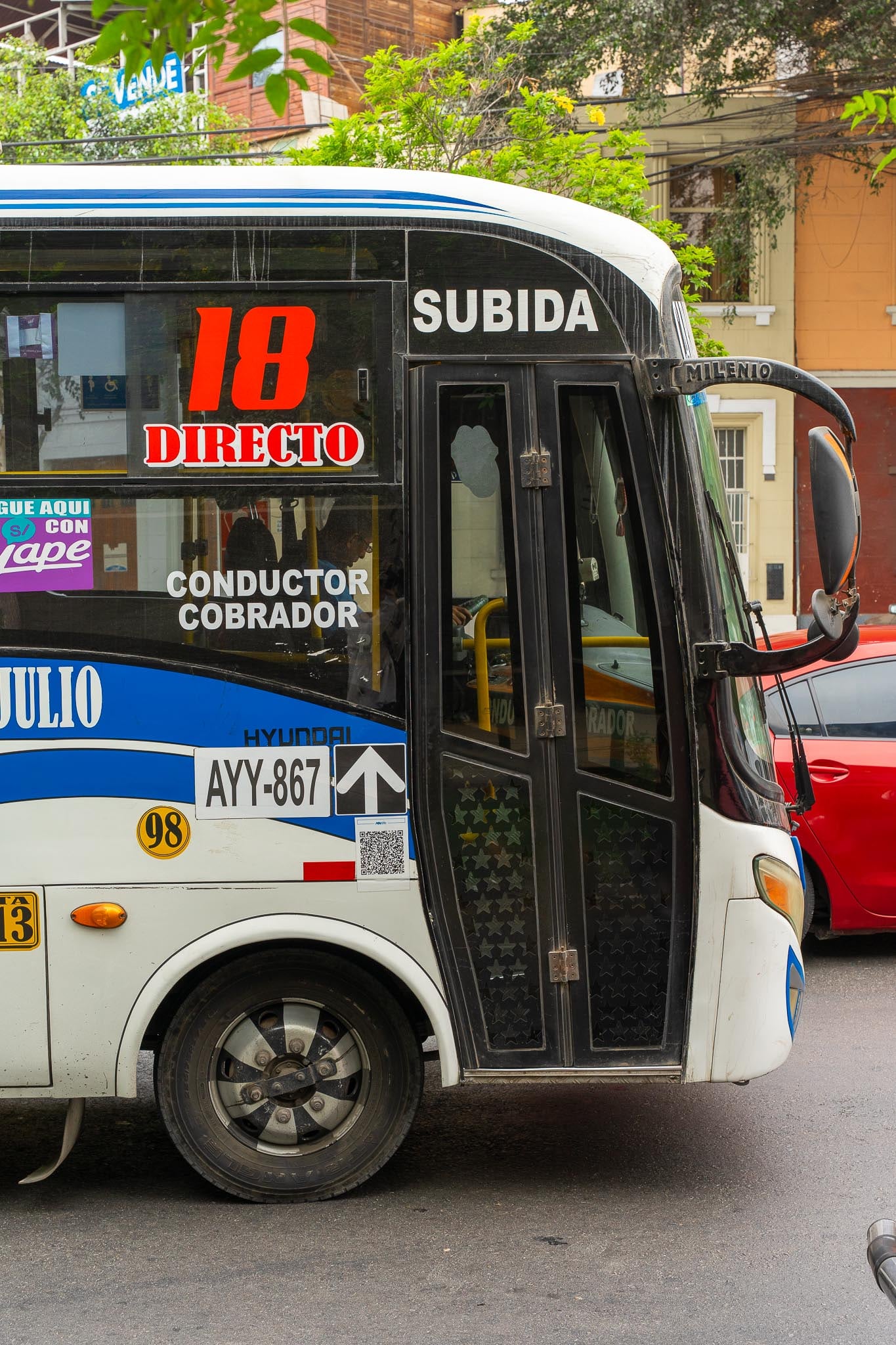
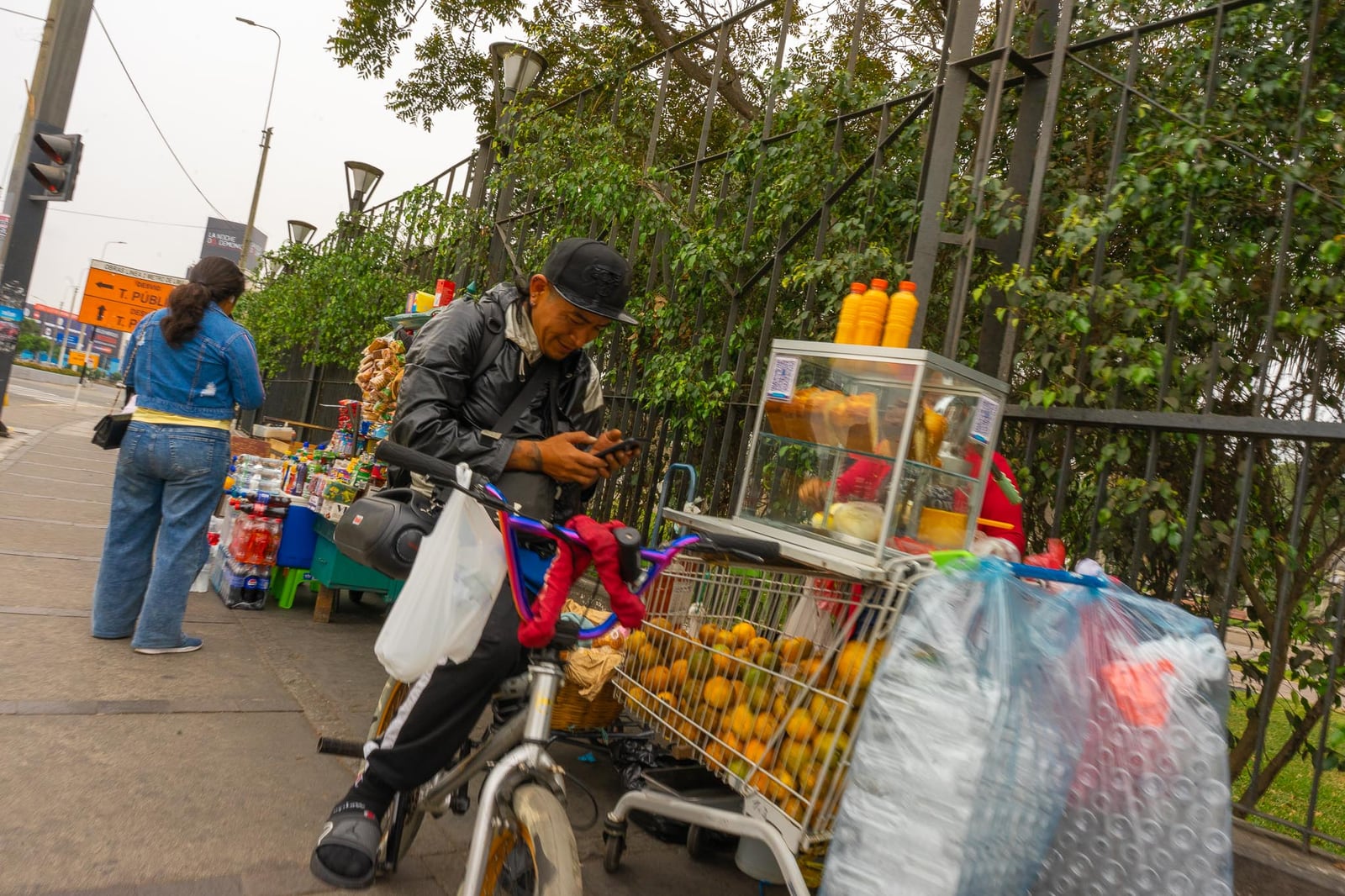
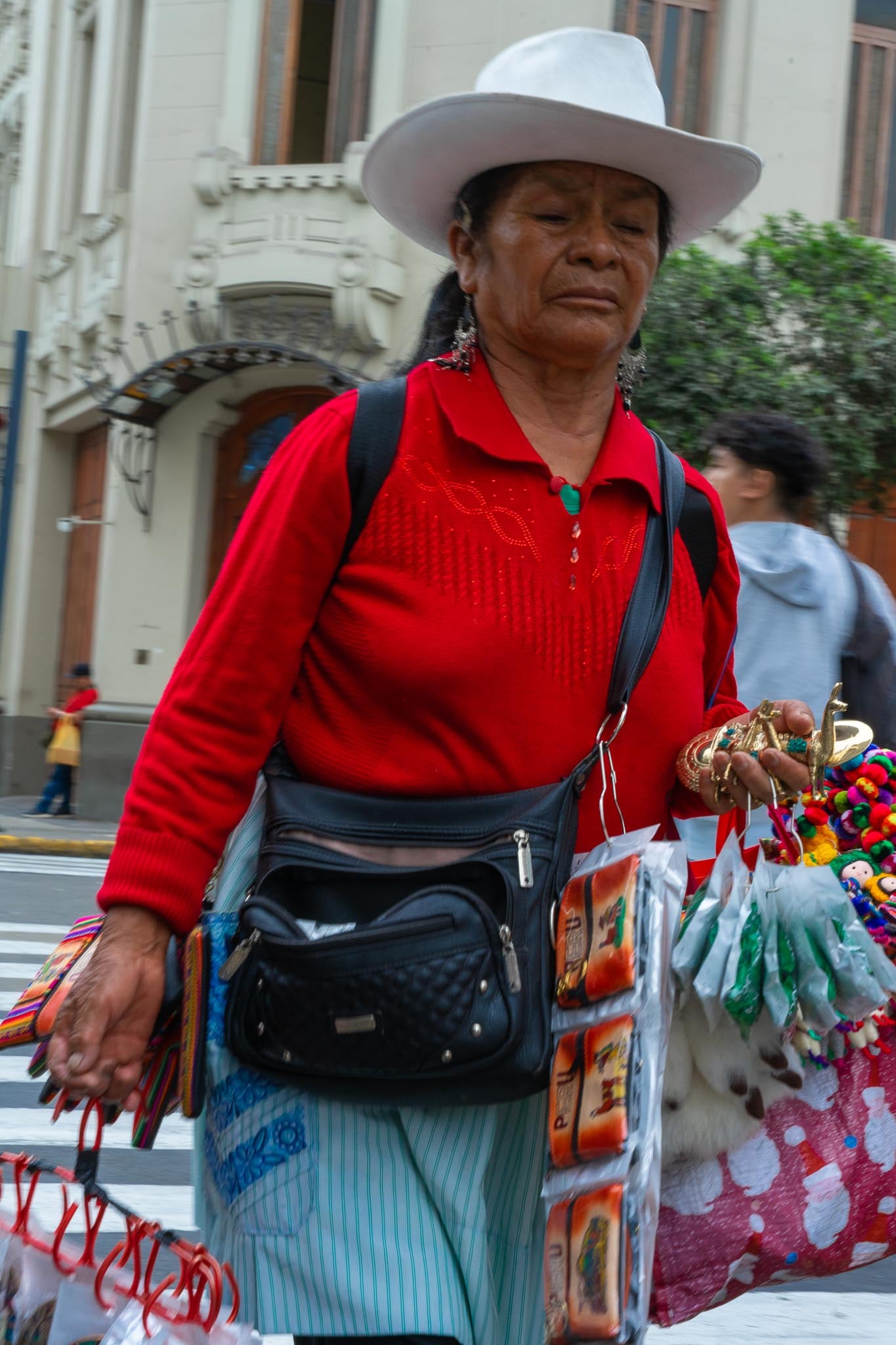
The third day is less about a single grand landmark and more about the spaces between the obvious ones: museum interiors, city streets, buses, vendors and public parks.
Those details are easy to lose when an itinerary is reduced to five things you absolutely must see.
There was lunch at El Merlin de Cabo Blanco, followed by a short stop at Kennedy Park in Miraflores.
Why Jesús María Worked as a Base
The base for all three nights was Jesús María.
That shaped the itinerary. The route travelled outward each day rather than beginning in Miraflores or Barranco, moving between Jesús María, the historic centre, Barranco, Miraflores, San Isidro, Pueblo Libre and central Lima.
For this route, Lima worked less as a single neighbourhood stay and more as a city crossed repeatedly. If choosing accommodation for a first visit, treat the base as a separate planning decision rather than assuming this exact location is necessary to reproduce the itinerary.
Is Three Days Enough for Lima?
Three days can cover a remarkable amount of Lima. This route included:
- the historic centre
- Barranco
- Miraflores
- the Pacific coast
- archaeological sites
- museums
- a market
- public parks
- multiple neighbourhoods
There is a catch: the itinerary is fast.
Day 2 in particular would be more comfortable split across two days. Three days works if you prefer full days and moving quickly; four days would make the same route substantially gentler.
What three days should not become is an attempt to see every museum, archaeological site and neighbourhood Lima has to offer. The strength of the city is precisely that there is more underneath the obvious route.
The City Beneath the City
Three days in Lima did not produce a single clean portrait of the city.
That is the point.
The historic centre belongs to one Lima. Barranco belongs to another. Miraflores meets the Pacific at the edge of the city. Archaeological sites interrupt the modern streets and reveal another city underneath them.
A short stay cannot resolve those versions into one story.
It can only move between them: from a colonial square to a painted Barranco street, from the cliffs above the Pacific to archaeological ground inside the modern city, and from museums to buses, vendors and public parks.
Lima is not one city hiding behind another.
It is all of them at once.
And three days is just enough time to notice.
Lima is the opening stage of the 24 Days in South America itinerary, which follows the route onward through Peru, Bolivia, Chile, Argentina and Uruguay. The next stop is the two-night Machu Picchu and Aguas Calientes itinerary.